Health and Wellbeing Apps from ORCHA

Featured image for Health and Wellbeing Apps from ORCHA

Health and Wellbeing Apps from ORCHA

ORCHA is the world’s leading, independent digital health evaluation and distribution organisation, and our mission is to deliver safe and trusted digital health to those who need it most.

Apps to keep you happy and healthy

If you are looking to quit smoking, get fit, improve your diet, or look after your wellbeing, there is an app that can help.

The vast majority of health and care services now use digital products to help you change your habits and make healthier choices. They are not intended to replace traditional healthcare, but they can be a useful tool to enhance your care while waiting for an appointment, in between appointments, after treatment, or simply to help you self-manage your health and wellbeing. But with so many different tools available, it can be hard to know which ones work best.

We are advised, therefore, to use digital health products that come from an expert source that has assessed them for user experience, effectiveness and data security. NHS services in this region work with ORCHA for just that reason.

To start searching for apps to help across a wide range of health and wellbeing conditions, visit your local Digital Health Library at cheshireandmerseyside.orcha.co.uk.

ORCHA logo

Healthy living

The COVID-19 pandemic has created several challenges for healthy living, from gym closures to the impact of lockdowns on mental health. It has also created opportunities, though, in the form of online or digital services.

View more

Smoking

According to the NHS, smoking is not only one of the biggest causes of death and illness in the UK, but it also increases your risk of developing more than 50 serious health conditions.

View more

Finding safe apps to support your mental health

Taking care of your mental health and wellbeing is really important, especially as the COVID-19 pandemic has created worry and fear for many people. Digital technologies have provided a way for us to stay in touch with our friends and families, but did you know that they can also help with your mental health?

View more

Other apps to support your health and wellbeing (these links will open in a new tab):

Featured image for Healthy living

Healthy living

The COVID-19 pandemic has created several challenges for healthy living, from gym closures to the impact of lockdowns on mental health. It has also created opportunities, though, in the form of online or digital services.

How can health and wellbeing apps help you and your loved ones live more healthily?

Health apps offer easy, engaging, and accessible ways to help you better manage your goals. For instance, apps have the power to support fitness plans, provide advice about diet, connect you with health and care professionals to discuss and manage your health and wellbeing, and help you to better stick to personalised plans. Studies also suggest that evidence-based digital health tools can complement existing treatment plans you may have been given by your health or care professional. With the recent impact of COVID-19 on the delivery of face-to-face care, apps may be able to offer additional support in light of reduced accessibility to in-person healthy living services.

But apps don’t just provide opportunities to support your physical wellbeing. A big part of keeping your body healthy is also looking after your mental wellbeing. Just as physical health conditions can have an impact on your mental health, so too can mental health conditions or poor mental wellbeing affect being able to take care of your physical health. Apps can provide support with improving mental wellbeing and managing mental health conditions which, in turn, can improve your physical wellbeing and ability to live a healthy life. To find tested, safe apps to help with healthy living – such as apps for fitness, healthy eating, weight management, or mental wellbeing – visit your local Digital Health Library and start searching for apps today at https://liverpool.orcha.co.uk, or click on any of the example apps below:

Content provided by ORCHA

We’ve reviewed thousands of apps, so you can find the best.

Published on Thu, 22 Jul 2021 10:12:18 GMT
Modified on Tue, 29 Mar 2022 15:07:50 GMT

Featured image for Smoking

Smoking

According to the NHS, smoking is not only one of the biggest causes of death and illness in the UK, but it also increases your risk of developing more than 50 serious health conditions.

Can apps help you stop smoking?

So, unsurprisingly, quitting smoking not only adds years to your life, but also greatly reduces your chances of developing smoking-related diseases.

If you are trying to stop smoking, there are small lifestyle changes you can make to help you quit, such as changing daily habits, identifying when you crave cigarettes, and seeking out advice and support. Digital technologies, such as apps, can help with changing behaviour in order to quit smoking.

Apps to help you stop smoking include features such as being able to log your cravings and get tips for managing them, motivational tips and advice, setting your own goals for quitting, monitoring the differences that quitting is having on your health and lifestyle, and much more.

To start searching for safe, tested apps to help with stopping smoking, visit our local Digital Health Library at liverpool.orcha.co.uk.

Content provided by ORCHA

We’ve reviewed thousands of apps, so you can find the best.

Published on Thu, 22 Jul 2021 10:17:18 GMT
Modified on Tue, 29 Mar 2022 15:10:07 GMT

Featured image for Finding safe apps to support your mental health

Finding safe apps to support your mental health

Taking care of your mental health and wellbeing is really important, especially as the COVID-19 pandemic has created worry and fear for many people. Digital technologies have provided a way for us to stay in touch with our friends and families, but did you know that they can also help with your mental health?

With mounting evidence that mental health problems have become even more common since the pandemic, the UK government has developed a Mental Health and Wellbeing Recovery Action plan to help people with their mental health.

The Mental Health and Wellbeing Recovery Action Plan explains that digital mental health support can provide greater control and options for round the clock advice or tools. Initially, an app can help you access advice when you need it, and as time goes by can support you whilst you’re on a waiting list, becoming an early support system or safety net. Later, after a therapist has been seen, apps can reinforce strategies and track information. Apps can also help you to self-manage your mental health in your home environment.

As there are so many mental health apps available, it can be difficult to know which are safe to use. ORCHA, a leading digital health assessment organisation, has tested hundreds of mental health apps so that it’s easy for you to find safe apps.

To find safe apps for mental health, visit our local Digital Health Library at liverpool.orcha.co.uk

Content provided by ORCHA

We’ve reviewed thousands of apps, so you can find the best.

Published on Thu, 22 Jul 2021 10:20:04 GMT
Modified on Tue, 29 Mar 2022 14:52:38 GMT

Content provided by ORCHA

We’ve reviewed thousands of apps, so you can find the best.

Published on Mon, 05 Jul 2021 09:52:06 GMT
Modified on Tue, 11 Jul 2023 16:11:19 GMT

Adult Mental Health Information

Featured image for Adult Mental Health Information

Adult Mental Health Information

This flyer will provide an overview of what to do when you're worried about your mental health, as well as what support services you can access.

Find information and support for your mental health – from urgent help to self-help guides that can help you care for your mental wellbeing.

Do you need urgent help?

Get Help

A mental health crisis often means that you no longer feel able to cope or be in control of your situation. It often involves a sudden or continued worsening of your symptoms. You may feel great emotional distress or anxiety, feel you can’t cope with day to day life, think about suicide or self harm, or experience hallucinations and hearing voices.

Alternatively if you are worried about someone else’s mental health and wellbeing we maybe able to offer advice and support to you. You’re not alone, click on the button above.

Are you suffering from anxiety or depression? Talk Liverpool is a free NHS service offering psychological therapies to adults who are feeling depressed, anxious, living with a long term health condition that is affecting their mental health or PTSD. The range of treatment programmes are designed to give the right information and to help develop the skills needed to overcome problems.

If you're worried about yourself or someone else

There are many support services that can help you and your loved ones.

View more

Further support

These organisations provide non-urgent mental health and wellbeing support.

View more

More information

These links will open in a new window

how to contact the Shout service

Get help – how to contact the Shout service

HEAL 85258 is free text messaging service available on all major mobile networks for anyone in crisis. It’s a place to go if you’re struggling to cope and you need immediate help. At the heart of the service is a team of volunteers who take people from crisis to calm every single day.

how to contact the Shout service

Self help guides – you may be able to help yourself

We have several self help guides available to download in different formats with information available on many issues. These include: abuse, alcohol, anxiety, bereavement, controlling anger, depression and low mood, domestic violence, eating disorders, and many more.

View more

Mersey Care

how to contact the Shout service

Meet the team

If you need help, you can always talk to us. Meet some of our urgent mental health support team who can help you at Mersey Care.

View more

Mersey Care

how to contact the Shout service

CAMHS for young people

Liverpool CAMHS, which stands for Children’s Adolescent Mental Health Services, is the main service that assesses and provides support to young people who are experiencing mental health difficulties. CAMHS signposts you to the right place so you can get the help you need.

View more

CAMHS

how to contact the Shout service

Life Rooms

This is a free NHS service providing a safe and welcoming space to meet others, access opportunities and learn about community resources. The Life Rooms offers support for those wanting to take the next steps in their life. Our services are available to anyone. Read all about us here.

View more

Life Rooms

Health and Care Videos

Health and Care Video Library

We provide clinicians, patients, their families and carers with easily understandable information in an easily accessible way.

Health and Care Video Library banner

ORCHA mobile apps

ORCHA is a health app evaluation and advisor organisation. It can help you find mobile apps to assist you in learning more about mental health. Tap on the image below to go the the app directory.

ORCHA mobile apps banner

Featured image for If you're worried about yourself or someone else

If you're worried about yourself or someone else

There are many support services that can help you and your loved ones.

Common mental health problems

There are many different types of mental health problems and symptoms and the following information is a guide to help understand what the problem might be.

If you feel mentally unwell you should seek the advice of your GP. If you feel you need help right now contact your GP or go to your local A&E department. Read more detailed information here.

More support

If you need help or if you are worried about someone else you can find immediate assistance via the following support services:

Samaritans

A national registered charity with local branches, available around the clock to help anyone.

Zero Suicide Alliance

A collaborative who are all committed to suicide prevention in the UK and beyond.

CALM

A registered charity, which exists to prevent male suicide in the UK.

Papyrus

As a national charity, they work towards building a society which speaks openly about suicide and has the resources to help young people who may have suicidal thoughts.

Content provided by Mersey Care NHS Foundation Trust.

Mersey Care is one of the largest trusts providing physical health and mental health services in the North West.

Published on Fri, 18 Jun 2021 09:40:19 GMT
Modified on Fri, 24 Dec 2021 14:49:47 GMT

Featured image for Further support

Further support

These organisations provide non-urgent mental health and wellbeing support.

You can contact the organisations below if you’re looking for non-urgent help. Click or tap on each image to go to the organisation’s website and find out more about what they do and how you can access help.

Talk Liverpool

This is a free NHS service offering psychological therapies to adults who are feeling depressed, anxious, living with a long term health condition that is affecting their mental health or PTSD. 

Live Well Directory

Live Well is a directory of care and support services, activities and information covering Knowsley and Liverpool.

Shout

You can text us any time, day or night.

Every Mind Matters

We have expert advice and practical tips to help you look after your mental health and wellbeing.

Content provided by One Liverpool, a partnership of local health and care organisations working together to support a healthier, happier and fairer Liverpool for all.

Published on Thu, 17 Jun 2021 13:58:18 GMT
Modified on Fri, 24 Dec 2021 14:49:12 GMT

Content provided by One Liverpool, a partnership of local health and care organisations working together to support a healthier, happier and fairer Liverpool for all.

Published on Wed, 16 Jun 2021 16:15:39 GMT
Modified on Wed, 24 May 2023 14:33:50 GMT
What is Diabetes

Featured image for What is Diabetes

What is Diabetes

Diabetes is a lifelong condition that causes a person's blood sugar level to become too high. This flyer will provide you with lots of information about the conditions, symptoms and treatment.

Diabetes is a lifelong condition that causes a person’s blood sugar level to become too high.

There are 2 main types of diabetes:

  • type 1 diabetes – where the body’s immune system attacks and destroys the cells that produce insulin
  • type 2 diabetes – where the body does not produce enough insulin, or the body’s cells do not react to insulin

Type 2 diabetes is far more common than type 1. In the UK, around 90% of all adults with diabetes have type 2.

During pregnancy, some women have such high levels of blood glucose that their body is unable to produce enough insulin to absorb it all. This is known as gestational diabetes.

What is diabetes thumbnail

What is diabetes – video

A short introduction from the Liverpool Diabetes Partnership.

NHS Diabetes Prevention Programme thumbnail

NHS Diabetes Prevention Programme (NHS DPP)

The Healthier You: NHS Diabetes Prevention Programme (NHS DPP) identifies those at high risk and refers them onto a behaviour change programme.

When to see a doctor

Visit your GP as soon as possible if you experience the main symptoms of diabetes, which include:

  • feeling very thirsty
  • peeing more frequently than usual, particularly at night
  • feeling very tired
  • weight loss and loss of muscle bulk
  • itching around the penis or vagina, or frequent episodes of thrush
  • cuts or wounds that heal slowly
  • blurred vision

Type 1 diabetes can develop quickly over weeks or even days.

Many people have type 2 diabetes for years without realising because the early symptoms tend to be general.

Type 1 diabetes

Type 1 diabetes causes the level of glucose (sugar) in your blood to become too high.

View more

Type 2 diabetes

Type 2 diabetes is a common condition that causes the level of glucose (sugar) in the blood to become too high.

View more

Health and care videos

Physical activity video thumbnail

The importance of physical activity when you have diabetes

From the Health and Care Video Library, the UK’s largest collection of health and care videos

Health checks when you have diabetes thunbnail

What health checks do you need when you have diabetes?

From the Health and Care Video Library, the UK’s largest collection of health and care videos

Health and Care Video Library

We provide clinicians, patients, their families and carers with easily understandable information in an easily accessible way.

Health and Care Video Library banner

ORCHA mobile apps

ORCHA is a health app evaluation and advisor organisation. It can help you find mobile apps to learn more information about diabetes. Tap on the image below to go the the app directory.

ORCHA mobile apps banner

Featured image for Type 1 diabetes

Type 1 diabetes

Type 1 diabetes causes the level of glucose (sugar) in your blood to become too high.

Type 1 diabetes causes the level of glucose (sugar) in your blood to become too high. It happens when your body cannot produce enough of a hormone called insulin, which controls blood glucose. You need daily injections of insulin to keep your blood glucose levels under control. Managing type 1 diabetes can take time to get used to, but you can still do all the things you enjoy. 

Type 1 diabetes is not linked with age or being overweight – this is type 2 diabetes.

Symptoms

See your GP if you have symptoms of type 1 diabetes:

  • feeling very thirsty
  • peeing more than usual, particularly at night
  • feeling very tired
  • losing weight without trying
  • thrush that keeps coming back
  • blurred vision
  • cuts and grazes that are not healing

Type 1 diabetes symptoms can come on quickly, particularly in children.

Getting tested for type 1 diabetes

Your GP will do a urine test and might check your blood glucose (sugar) level.

If they think you might have diabetes, they may advise you to go to hospital for an assessment with the diabetes team or they may arrange for the blood tests to be done in the community setting.

This page has been amended by the Diabetes Team from Liverpool University Hospitals NHS Foundation Trust.

Content provided by NHS.uk

Find information and advice on health conditions, symptoms, healthy living, medicines and how to get help.

Published on Mon, 12 Jul 2021 10:49:44 GMT
Modified on Mon, 13 Jun 2022 10:34:34 GMT

Featured image for Type 2 diabetes

Type 2 diabetes

Type 2 diabetes is a common condition that causes the level of glucose (sugar) in the blood to become too high.

Type 2 diabetes is a common condition that causes the level of glucose (sugar) in the blood to become too high.

  • It can cause symptoms like excessive thirst, needing to pee a lot and tiredness. It can also increase your risk of getting serious problems with your eyes, heart and nerves.
  • It’s a lifelong condition that can affect your everyday life. You may need to change your diet, take medicines and have regular check-ups.
  • It’s caused by problems with a chemical in the body (hormone) called insulin. It’s often linked to being overweight or inactive, or having a family history of type 2 diabetes.

Symptoms

Many people have type 2 diabetes without realising. This is because symptoms do not necessarily make you feel unwell.

Symptoms of type 2 diabetes include:

  • peeing more than usual, particularly at night
  • feeling thirsty all the time
  • feeling very tired
  • losing weight without trying to
  • itching around your penis or vagina, or repeatedly getting thrush
  • cuts or wounds taking longer to heal
  • blurred vision

You’re more at risk of developing type 2 diabetes if you:

  • are over 40 (or 25 for south Asian people)
  • have a close relative with diabetes (such as a parent, brother or sister)
  • are overweight or obese
  • are of Asian, African-Caribbean or black African origin (even if you were born in the UK)

Diagnosis

Type 2 diabetes is often diagnosed following blood or urine tests for something else.

However, you should see a GP straight away if you have any symptoms of diabetes.

To find out if you have type 2 diabetes, you usually have to go through the following steps:

  1. See a GP about your symptoms.
  2. The GP will check your urine and arrange a blood test to check your blood sugar levels. It usually takes about 1 to 2 days for the results to come back.
  3. If you have diabetes, the GP will explain the test results and what will happen next.

If you’re diagnosed with diabetes

What the GP will discuss with you during your appointment depends on the diagnosis and the treatment they recommend.

Generally, they’ll talk to you about:

  • what diabetes is
  • what high blood sugar means for your health
  • whether you need to take medicine
  • your diet and exercise
  • your lifestyle – for example, alcohol and smoking

The GP will do their best to discuss the diagnosis with you, but this first appointment might only be 10 to 15 minutes.

If you have questions about your diagnosis

It’s usually difficult to take in everything the GP tells you during the appointment.

Talk to family and friends about what the GP told you, and write down any questions you have.

Then make another GP appointment and take your list of questions with you.

There’s also a lot of information on diabetes available.

What happens after the diagnosis

Usually, the following things happen after your diagnosis:

Liverpool Diabetes Partnership thumbnail

Liverpool Diabetes Partnership

The Liverpool Diabetes Partnership [LDP] is a service dedicated to providing quality diabetes care within the community, right on your doorstep.

Diabetes and You thumbnail

Diabetes & You

FREE education sessions – are currently running at health centres across the city.

This page has been amended by the Diabetes Team from Liverpool University Hospitals NHS Foundation Trust.

Content provided by NHS.uk

Find information and advice on health conditions, symptoms, healthy living, medicines and how to get help.

Published on Mon, 12 Jul 2021 11:01:36 GMT
Modified on Wed, 20 Jul 2022 16:37:39 GMT

Content provided by One Liverpool, a partnership of local health and care organisations working together to support a healthier, happier and fairer Liverpool for all.

Published on Mon, 17 May 2021 11:34:50 GMT
Modified on Fri, 23 Sep 2022 10:47:05 GMT

COVID-19 / Long COVID Support Services

Featured image for COVID-19 / Long COVID Support Services

COVID-19 / Long COVID Support Services

This flyer will provide you information about long COVID and recovery.

Your COVID recovery thumbnail

Your COVID Recovery

As you find yourself recovering from COVID-19 you may still be coming to terms with the impact the virus has had on both your body and mind. These changes should get better over time, some may take longer than others, but there are things you can do to help. Your COVID Recovery helps you to understand what has happened and what you might expect as part of your recovery.

View more

Pulmonary Rehab Programme thumbnail

Pulmonary Rehab – The Breathe Programme

The Breathe programme can support you with: advice on your breathlessness management, advice on pacing & activity levels, advice regarding symptom management and provide you with an action plan, provide support by offering you a referral onto other useful services.

View more

Talk Liverpoool thumbnail

Talk Liverpool (self-referral)

We are a free NHS service offering psychological therapies to adults in Liverpool who are feeling depressed or anxious. Our range of treatment programmes are designed to give you the right information and to help you develop the skills you need to overcome your problems.

View more

Life Rooms thumbnail

Life Rooms

We are a free NHS service who provide a safe and welcoming space to meet others, access opportunities and learn about community resources. The Life Rooms offers support for those wanting to take the next steps in their life. Our services are available to anyone.

View more

Citizens Advice Liverpool thumbnail

Citizens Advice Liverpool

We can all face problems that seem complicated or intimidating. At Citizens Advice we believe no one should have to face these problems without good quality, independent advice. That’s why we’re here: to give people the knowledge and the confidence they need to find their way forward – whoever they are, and whatever their problem.

View more

The Live Well Directory thumbnail

The Live Well Directory

Live Well is a directory of care and support services, activities and information covering Knowsley, Liverpool, and Wirral.

View more


Social Support thumbnail

Social Support

Are you self-isolating or clinically extremely vulnerable? Find out how to access a range of support.

View more

Children and Young People thumbnail

Children and Young People – Liverpool’s Early Help Directory

Support for children and families can be found in Liverpool Children’s and families Early Help Directory.

View more

Boloh – The Black, Asian and Minority Ethnic family Covid-19 Helpline

You can speak to us about your worries, problems and stresses during this time, and we can provide emotional support, practical advice and signposting to other organisations who can provide further help.

View more

Health and Care Videos

Health advice at your fingertips – click on videos below.

Health and Care Video Library

We provide clinicians, patients, their families and carers with easily understandable information in an easily accessible way.

Health and Care Video Library banner

ORCHA mobile apps

ORCHA is a health app evaluation and advisor organisation. It can help you find mobile apps to assist you in measuring your respiratory health, and to learn more information about COVID-19. Tap on the image below to go the the app directory. 

ORCHA mobile apps banner

Content provided by One Liverpool, a partnership of local health and care organisations working together to support a healthier, happier and fairer Liverpool for all.

Published on Tue, 02 Feb 2021 15:45:06 GMT
Modified on Thu, 22 Jun 2023 14:07:11 GMT

First aid in work

Featured image for First aid in work

First aid in work

Employers must make sure employees get immediate help if taken ill or injured at work.

Employers must make sure employees get immediate help if taken ill or injured at work.

The law applies to every workplace and to the self-employed.

You must have:

  • a suitably stocked first aid kit
  • an appointed person or people to take charge of first aid arrangements
  • information for all employees telling them about first aid arrangements

Appoint someone to take charge of first aid

An appointed person is someone who is in charge of your first aid arrangements. This includes looking after the equipment, facilities and calling the emergency services.

You can have more than one appointed person and they don’t need to have any formal training.

An appointed person must always be available whenever people are at work.

First aid for homeworkers and co-working spaces

If your work is low-risk, such as desk-based work and you work in your own home, you don’t need any first aid equipment beyond normal domestic needs.

If your work involves lots of driving, you may want to keep a first aid kit in your vehicle.

If you’re self-employed and based in a co-working space (shared workspace with other self-employed or employed workers) you’re legally responsible for your own first aid provision. However, you can make joint arrangements with the other occupiers. Usually, in a written agreement, one employer takes responsibility for first aid for all workers on the premises.

Assess your first aid needs

What ‘adequate and appropriate’ first aid arrangements are depends on the work you do and where you do it. You’re best placed to understand the nature of your work, so you should assess what your first aid needs are.

View more

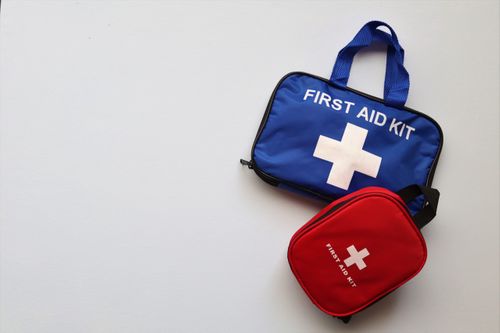
What to put in a first aid kit

The contents of your first aid kit should be based on your first aid needs assessment.

View more

First aiders and training

You might decide that you need someone trained in first aid, sometimes known as a first aider.

View more

First aid in detail

This website provides information for employers, employees, first-aiders and training organisations on first aid at work.

View more

HSE

Featured image for Assess your first aid needs

Assess your first aid needs

What ‘adequate and appropriate’ first aid arrangements are depends on the work you do and where you do it. You’re best placed to understand the nature of your work, so you should assess what your first aid needs are.

You must consider:

  • the type of the work you do
  • hazards and the likely risk of them causing harm
  • the size of your workforce
  • work patterns of your staff
  • holiday and other absences of those who will be first aiders and appointed persons
  • the history of accidents in your business

You might also consider:

  • the needs of travelling, remote and lone workers
  • how close your sites are to emergency medical services
  • whether your employees work on shared or multi-occupancy sites
  • first aid for non-employees including members of the public

You don’t have to write down your findings, but if you do, it will allow you to record how you’ve decided on your first aid arrangements.

Content provided by the Health and Safety Executive.

HSE aims to reduce work-related death, injury and ill health.

Published on Thu, 28 Jan 2021 15:03:48 GMT
Modified on Fri, 11 Feb 2022 15:26:13 GMT

Featured image for What to put in a first aid kit

What to put in a first aid kit

The contents of your first aid kit should be based on your first aid needs assessment.

The contents of your first aid kit should be based on your first aid needs assessment. As a guide, where work activities are low-risk (for example, desk-based work) a minimum first aid kit might contain:

  • a leaflet with general guidance on first aid (for example, HSE’s leaflet Basic advice on first aid at work
  • individually wrapped sterile plasters of assorted sizes
  • sterile eye pads
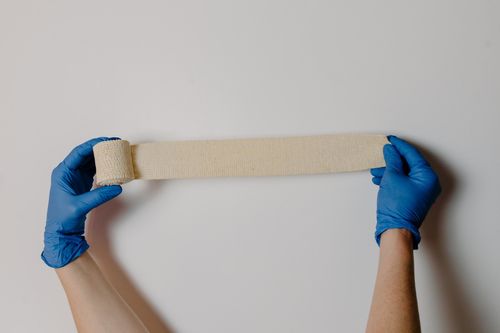
  • individually wrapped triangular bandages, preferably sterile
  • safety pins
  • large and medium-sized sterile, individually wrapped, unmedicated wound dressings
  • disposable gloves

This is a suggested contents list.

If you are buying a kit look for British Standard (BS) 8599. By law, your kit doesn’t have to meet this standard but you should check it contains what you’ve identified in your needs assessment.

Maintaining or replacing contents of a first aid kit

Check your kit regularly. Many items, particularly sterile ones, are marked with expiry dates. Replace expired items, disposing of them safely. If a sterile item doesn’t have an expiry date, check with the manufacturer to find out how long it can be kept. For non-sterile items without dates, you should check that they are still fit for purpose.

Content provided by the Health and Safety Executive.

HSE aims to reduce work-related death, injury and ill health.

Published on Thu, 28 Jan 2021 15:09:31 GMT
Modified on Fri, 11 Feb 2022 12:23:29 GMT

Featured image for First aiders and training

First aiders and training

You might decide that you need someone trained in first aid, sometimes known as a first aider.

You might decide that you need someone trained in first aid, sometimes known as a first aider.

There are no hard and fast rules on how many trained first aiders you should have. It depends on the nature of your work and its location.

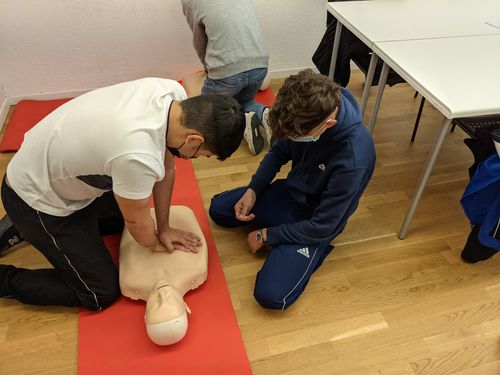
First aiders are trained by a competent training provider in:

  • emergency first aid at work (EFAW) – at this level they’re qualified to give emergency first aid to someone who is injured or becomes ill while at work
  • first aid at work (FAW) – qualified to EFAW level but can also apply first aid to a range of specific injuries and illnesses

First aid training

Use the findings of your first aid needs assessment to decide:

  • if you need someone trained in first aid
  • what’s an adequate and appropriate level of training
  • how many people you train
  • Keep training up to date with regular refresher courses.

HSE approved first aid training

The only first aid training HSE approves is for specialists on offshore installations.

Finding the right first aid training for your workplace

You’re responsible for making sure whoever trains your employees is competent.

There are four types of provider to choose from. They offer:

  • regulated qualifications from an awarding organisation (AO) – these are recognised and regulated by Ofqual, the Scottish Qualifications Authority (SQA) or the Welsh Government
  • voluntary approval schemes, such as a trade body accredited by a third party – the United Kingdom Accreditation Service (UKAS) is the national accreditation body recognised by government
  • independent training where the provider can prove their competence
  • training from one of the three Voluntary Aid Societies recognised by the government:
    • St John Ambulance
    • British Red Cross
    • St Andrew’s First Aid

Content provided by the Health and Safety Executive.

HSE aims to reduce work-related death, injury and ill health.

Published on Thu, 28 Jan 2021 15:16:14 GMT
Modified on Thu, 03 Mar 2022 12:23:55 GMT

Content provided by the Health and Safety Executive.

HSE aims to reduce work-related death, injury and ill health.

Published on Thu, 28 Jan 2021 14:58:15 GMT
Modified on Wed, 16 Feb 2022 17:00:35 GMT

COPD Information

Featured image for COPD Information

COPD Information

Chronic obstructive pulmonary disease (COPD) is the name for a group of lung conditions that cause breathing difficulties. In this flyer you'll find helpful videos, links to organisations that specialise in helping people living with COPD, details on different types of medicines and inhalers, and suggested apps. This flyer was created by the COPD Lead for the Liverpool CCG.

About COPD

Here you'll learn about what exactly COPD (chronic obstructive pulmonary disease) is, its symptoms, diagnosis and what you can do to help your condition.

View more

Local Services

Find a cluster of local Merseyside support links and services, useful videos and other sources of digital help, including NHS COPD pack developed for Liverpool residents and the Breathe Programme.

View more

Medicines

Medication can help you control and manage your symptoms. Medication can’t replace being active and eating healthily but the right combination of all three will help you feel healthier.

View more

Help and Support

In this section you'll find helpful information for you and anyone who cares for you about local COPD services and support for your physical and mental wellbeing.

View more

Health and Care Video Library

We provide clinicians, patients, their families and carers with easily understandable information in an easily accessible way.

Health and Care Video Library banner

ORCHA mobile apps

ORCHA is a health app evaluation and advisor organisation. It can help you find mobile apps to assist you in measuring your respiratory health, and to learn more information about COPD. Tap on the image below to go the the app directory.

ORCHA mobile apps banner

Featured image for About COPD

About COPD

Here you'll learn about what exactly COPD (chronic obstructive pulmonary disease) is, its symptoms, diagnosis and what you can do to help your condition.

Information

Tap on each image for more information about COPD and the services available to help you.

NHS COPD Pack

A pack on how get the most out of life with COPD and has been developed for Liverpool residents and includes details of local services.

The Breathe Programme

The Breathe Programme is a 10 week rehabilitation programme for people in Liverpool who have long term lung conditions such as COPD.

NHS Conditions – COPD

Information on COPD from the NHS website: symptoms, causes, diagnosis, treatment and Living with COPD.

British Lung Foundation Programme

Information British Lung Foundation: videos and stories from people living with COPD, guidance on managing flare-ups and details for The British Lung Foundation Helpline.

Videos

Tap on the videos below to learn more about COPD. You will find more videos in the Health and Care Video Library.

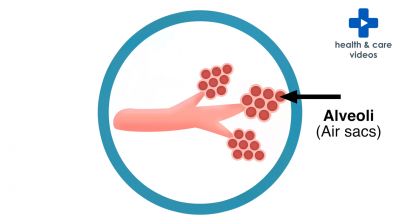
What is COPD Thumbnail

What is COPD

From the Health and Care Video Library, the UK’s largest collection of health and care videos

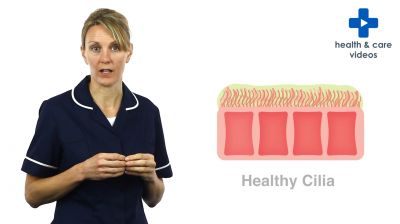
Symptoms of COPD Thumbnail

Symptoms of COPD

From the Health and Care Video Library, the UK’s largest collection of health and care videos

How is COPD diagnosed? Thumbnail

How is COPD diagnosed?

From the Health and Care Video Library, the UK’s largest collection of health and care videos

What you can do to help your COPD Thumbnail

What you can do to help your COPD

From the Health and Care Video Library, the UK’s largest collection of health and care videos

Content provided by One Liverpool, a partnership of local health and care organisations working together to support a healthier, happier and fairer Liverpool for all.

Published on Fri, 11 Dec 2020 12:33:23 GMT
Modified on Mon, 26 Sep 2022 12:48:12 GMT

Featured image for Local Services

Local Services

Find a cluster of local Merseyside support links and services, useful videos and other sources of digital help, including NHS COPD pack developed for Liverpool residents and the Breathe Programme.

The Breathe Programme thumbnail

The Breathe Programme

The Breathe Programme is run by a team who specialise in care for people with COPD. It is one of the best ways to keep you well for longer.

Breathe Programme thumbnail

Breathe Programme Support Services

Support services from the breath programme Liverpool

The Life Rooms thumbnail

The Life Rooms

The Life Rooms provides a wide range of free, short courses to increase recognition, understanding and self management on symptoms such as anxiety, depression, psychosis, self esteem and many more.

Telehealth thumbnail

Telehealth

Health Technology (or Telehealth) is a way of using technology to monitor your own health, with the support of health professionals.

Talk Liverpool thumbnail

Talk Liverpool

It is common for your psychological wellbeing to be impacted by COPD, many people find additional support to keep on top of their wellbeing helps them keep well for longer.

Smokefree Liverpool thumbnail

Smokefree Liverpool

Commissioned by Liverpool City Council to provide a free programme of behavioural support combined with up to 12 weeks’ worth of products to help you quit smoking.

Local Videos

Find more videos at The Breathe Programme

Coping with Chronic Respiratory Diease video Thumbnail

Coping with Chronic Respiratory Disease

This short video will provide you with a brief over view of chronic respiratory conditions, tips and advice on how to manage your condition.

Environmental Health video Thumbnail

Environmental Health

This video explores how the weather and the environment may affect your health, in particular to chronic respiratory disease.

Breathlessness Management video Thumbnail

Breathlessness Management

This breathlessness management video, focuses on breathlessness management strategies.

Exercise video thumbnail

Exercise

This video focuses on the various different aspects of what you need to consider when participating in an exercise routine. There are lots of helpful tips and advice throughout.

Content provided by One Liverpool, a partnership of local health and care organisations working together to support a healthier, happier and fairer Liverpool for all.

Published on Fri, 11 Dec 2020 12:37:35 GMT
Modified on Fri, 21 Oct 2022 11:21:54 GMT

Featured image for Medicines

Medicines

Medication can help you control and manage your symptoms. Medication can’t replace being active and eating healthily but the right combination of all three will help you feel healthier.

Inhalers

View more inhalers and medicines at RightBreathe.

Eklira thumbnail

Eklira 322micrograms

60 doses. The active ingredients in his inhaler are Aclidinium bromide, 375micrograms per dose. This is a dry powder inhaler with a dose counter, produced by AstraZeneca UK Ltd.

View more

Duaklir thumbnail

Duaklir 340micrograms/ dose + 12micrograms/ dose

60 doses. The active ingredients in his inhaler are Aclidinium bromide, 396microgramsper dose + Formoterol 11.8micrograms per dose. This is a dry powder inhaler with a dose counter, produced by AstraZeneca UK Ltd.

View more

Fostair thumbnail

Fostair 100micrograms/ dose + 6micrograms/ dose

120 doses. The active ingredients in his inhaler are Beclometasone, 100micrograms per dose and Formoterol 6micrograms per dose. This is a pressurised aerosol inhaler with a dose counter, produced by Chiesi Ltd.

View more

Clenil Modulite thumbnail

Clenil Modulite 100micrograms/ dose

200 doses. The active ingredients in his inhaler are Beclometasone, 100micrograms per dose. This is a pressurised aerosol inhaler with a dose counter, produced by Chiesi Ltd.

View more

Information

RightBreathe thumbnail

RightBreathe

Get the most out of your inhaled medication by checking how to use it correctly.

View more

NHS COPD pack thumbnail

NHS COPD Pack

This will download a PDF file. A pack on how get the most out of life with COPD and has been developed for Liverpool residents and includes details of local services.

View more

Videos

These videos will explore some of the different types of medications that you may use to manage your respiratory symptoms and other useful tips. You will find more videos in the Health and Care Video Library.

Treatment Medications Thumbnail

Treatment (Medications)

Thumbnail for Treatment (Medications) video

Treatments for COPD

From the Health and Care Video Library, the UK’s largest collection of health and care videos

Content provided by One Liverpool, a partnership of local health and care organisations working together to support a healthier, happier and fairer Liverpool for all.

Published on Fri, 11 Dec 2020 12:34:10 GMT
Modified on Fri, 21 Oct 2022 12:13:54 GMT

Featured image for Help and Support

Help and Support

In this section you'll find helpful information for you and anyone who cares for you about local COPD services and support for your physical and mental wellbeing.

Information

Citizens Advice Bureau thumbnail

Citizens Advice Bureau Referrals

Advice services available through Citizen Advice Bureau digital and telephone channels.

View more

Liverpool City Council Healthy Homes thumbnail

Liverpool City Council Healthy Homes

Provides free help and advice to local people who are struggling to pay their energy bills and heat their homes.

View more

Talk Liverpool thumbnail

Talk Liverpool

It is common for your psychological wellbeing to be impacted by COPD. Many people find additional support to keep on top of their wellbeing helps them keep well for longer.

View more

Breathe Easy Support Groups thumbnail

Breathe Easy support groups

There are three local Breathe Easy support groups run by people with lung conditions, located in North Liverpool, South Liverpool and South Sefton. Tap on the link to learn more.

View more

British Lung Foundation thumbnail

British Lung Foundation Programme

If you have any questions about your condition, The British Lung Foundation have a helpline open 9am – 5pm Monday to Friday on 03000 030 555.

View more

NHS COPD thumbnail

NHS COPD Pack

This will download a PDF file. A pack on how get the most out of life with COPD and has been developed for Liverpool residents and includes details of local services.

View more

Videos

Take a look at the videos below about self-care and helping your COPD. You will find more videos in the Health and Care Video Library.

Why is self-care important Thumbnail

Self-help tips for fatigue and breathlessness

From the Health and Care Video Library, the UK’s largest collection of health and care videos

What you can do to help your COPD Thumbnail

What you can do to help your COPD

From the Health and Care Video Library, the UK’s largest collection of health and care videos

Content provided by One Liverpool, a partnership of local health and care organisations working together to support a healthier, happier and fairer Liverpool for all.

Published on Fri, 11 Dec 2020 12:36:31 GMT
Modified on Fri, 21 Oct 2022 12:07:06 GMT

Content provided by One Liverpool, a partnership of local health and care organisations working together to support a healthier, happier and fairer Liverpool for all.

Published on Fri, 11 Dec 2020 12:27:41 GMT
Modified on Thu, 24 Oct 2024 10:19:46 GMT