What is Cardiac Rehabilitation (Rehab)

Featured image for What is Cardiac Rehabilitation (Rehab)

What is Cardiac Rehabilitation (Rehab)

Heart failure rehabilitation will help you to understand your condition and how to live well with heart failure.

Content provided by Pumping Marvellous

The programmes are designed to help your heart and body to function better, resume hobbies and social activities and improve health and wellbeing.

There is evidence that people with heart failure gain significant improvement as a result of attending a cardiac rehabilitation programme. These are usually attended at either a hospital or community venue or can be home based. All exercise programs are individualised, this is done during an initial assessment of your cardiac condition and will take any other conditions that you may have in consideration too. Our patients tell us how useful rehabilitation has been to achieve their goals. That’s completing some of the normal tasks that were such a challenge before, like climbing the stairs, walking the dog or walking to the shops.

Heart failure rehabilitation will help you to improve your understanding of your heart condition so you can learn how to manage your condition and symptoms to live well. The programmes are designed not only to improve your heart function, but will help you to improve other aspects such as your lifestyle, learn how to pace and manage symptoms to function better.

Patients also say that it makes them feel more positive, improves mood and confidence. They are able to share their experiences with other patients with heart failure during the programme.

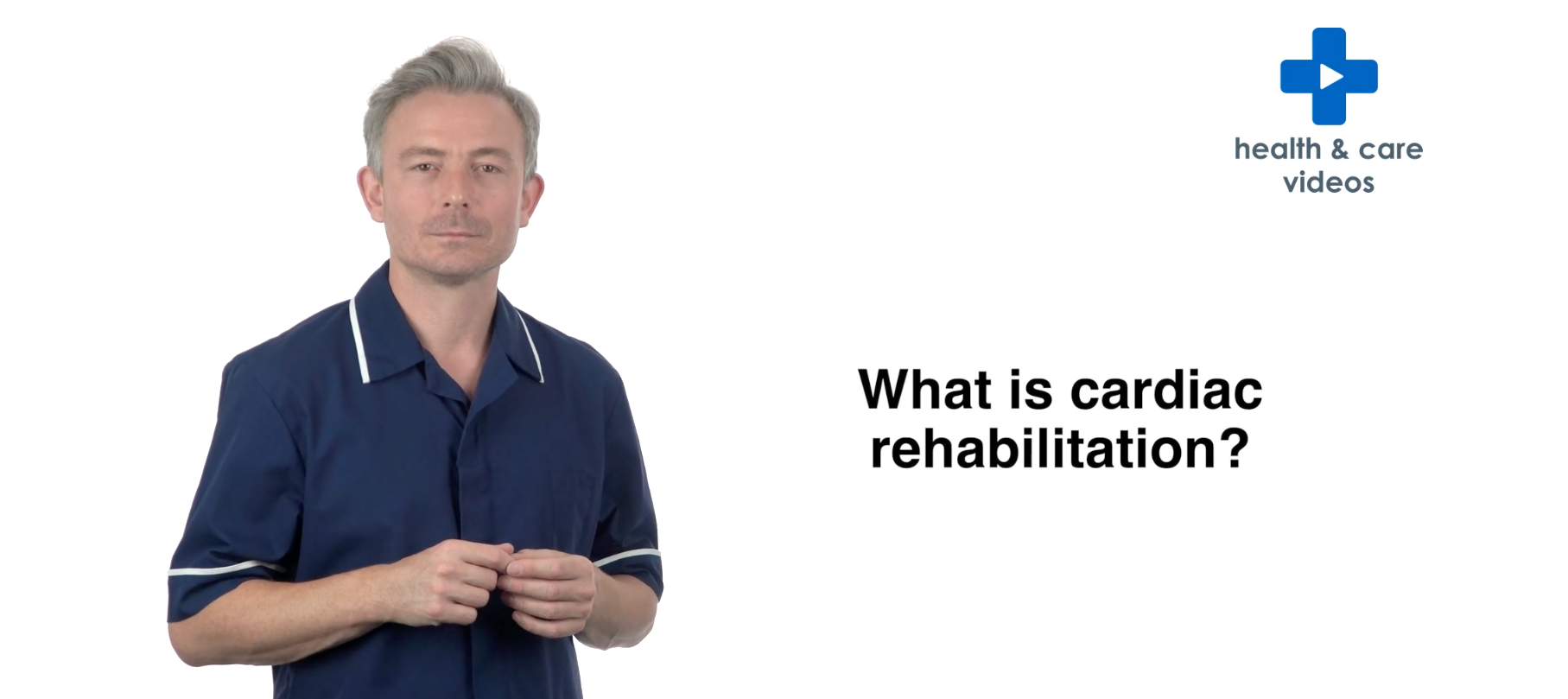
Cardiac Rehab for Heart Failure Patients Thumbnail

Cardiac Rehab for Heart Failure Patients

Animation from Pumping Marvellous

Heart rehabilitation – access

Many centres offer a variety of services. Some are based in the hospital, but others are out in the community. They may also be able to provide an activity programme that you can do at home, or give you general advice on how to manage your activity levels. The rehabilitation team can help you decide what the best option is for you.

It’s not just about exercise

It’s not only about exercise. Cardiac rehabilitation will help you identify the best way to self manage your condition through good food and leading a healthy lifestyle.

Remember you are entitled to heart failure rehabilitation. Ask your heart failure team when and where you can do it. They will need to refer you for rehabilitation initially and hopefully after the various programmes they’ll be able to let you go to do your own thing. Good luck!

It’s not just what it is and how to do it but it’s the WHY it’s important

Cardiac rehabilitation can be the start of a new chapter. There is plenty of evidence out there that demonstrates how good it is for people living with heart failure. These are examples of patients like you undertaking a cardiac rehabilitation programme which has made their life better.

If you have not been referred to rehabilitation, please ask your heart failure team. See it as another treatment that this time you can enjoy and look forward too.

What is Cardiac Rehabilitation

What is Cardiac Rehabilitation

From the Health and Care Video Library, the UK’s largest collection of health and care videos

Cardiac Rehab for Heart Failure Patients

Exercising safely in cardiac rehabilitation

From the Health and Care Video Library, the UK’s largest collection of health and care videos

Further support (these will open in a new window)

Royal Liverpool and Broadgreen Liverpool University Hospitals logo

Cardiac Rehab sessions at the RLBUHT

Cardiac Rehab or Cardiac Rehabilitation is where we help you to recover after a heart attack (or other heart events).

View more

RLBUHT

British Heart Foundaton logo

Information from the BHF

Cardiac rehab gives you and your family the information, support and advice you need to return to everyday life.

View more

BHF

Cheshire and Merseyside Happy Hearts logo

Cheshire and Merseyside Happy Hearts

Cardiac rehab gives you and your family the information, support and advice you need to return to everyday life.

View more

Cheshire and Merseyside Happy Hearts

Health and Care Video Library

We provide clinicians, patients, their families and carers with easily understandable information in an easily accessible way.

Health and Care Video Library banner

ORCHA mobile apps

ORCHA is a health app evaluation and advisor organisation. It can help you find mobile apps to assist you in learning more about asthma. Tap on the image below to go the the app directory.

ORCHA mobile apps banner

Content provided by One Liverpool, a partnership of local health and care organisations working together to support a healthier, happier and fairer Liverpool for all.

Published on Mon, 04 Oct 2021 14:11:08 GMT
Modified on Fri, 23 Sep 2022 10:44:44 GMT

About the NHS Targeted Lung Health Check (TLHC) Programme

Featured image for About the NHS Targeted Lung Health Check (TLHC) Programme

About the NHS Targeted Lung Health Check (TLHC) Programme

Patients aged 55-74 and who have ever smoked are now being invited to have a lung health check – a simple check up to see how well your lungs are working. If you're eligible, you'll receive a letter through the post.

The TLHC programme targets those most at risk of lung cancer (age and smoking status).

People aged 55 – 74 and who have ever smoked will be invited to a free lung check with a lung nurse employed by Liverpool Heart and Chest hospital. Following the lung health check, those assessed as higher risk will be offered a low dose CT scan.

A lung health check is a simple check to find out how well your lungs are working.

Lung health checks are available to people aged 55-74 who have ever smoked.

If you are eligible, you will receive a letter from your GP inviting you to attend a lung health check. You are invited whether you feel fine or not.

If you have not received a letter, or are unsure if you are eligible, speak to your GP. If you are eligible, call 0151 254 3032 to make an appointment.

At a lung check:

  1. You’ll have a virtual appointment with a nurse, either over the phone of a video consultation
  2. The nurse will ask you some questions about your breathing and about your overall lung health
  3. The nurse may also talk to you about having a lung scan to check for early signs of lung cancer
  4. You’ll have plenty of time to chat to a nurse and ask any questions. You can bring a friend, family member or a partner with you on the day.

If you’ve been invited to a lung health check and have any questions or concerns, you can find more information here.

Videos:

peer recommendation video

Lung Health Check Peer Recommendation

Featuring feedback from others who have attended a lung health check.

JO STORY VIDEO

Jo’s Lung Health Check Story

Jo had her lung cancer surgically removed (curative treatment) via the previous Liverpool Healthy Lungs Programme.

LUNG MOT VIDEO

Lung Health Check Animation

Lung health checks are a simple check up to see how well your lungs are working.

You can find more videos on the Liverpool Heart and Chest Hospital’s Youtube channel. (Clicking this link will take you to Youtube).

Looking after our lungs

Our lungs work hard every day, so it’s important we look after them – particularly as we get older.

Lung health checks are a great way to make sure our lungs are working ok. But there are many things we can do to improve our lung health:

How can eating a balanced diet help my lungs ?

A balanced diet is very important for everybody. The essential nutrients in healthy foods and fluids can help you to feel as fit as you can. This is especially important if you have an existing lung condition as it helps to prevent infections and keep your lungs as healthy as possible.

View more

How can being more active help my lungs?

Being active is one of the best things you can do to take care of your lungs. Even 10 minutes a day can make all the difference!

View more

How does becoming smokefree help my lungs?

You may think that if you already smoke tobacco cigarettes or other products such as shisha that there is no point in stopping smoking as the damage to your lungs is already done. However, the best thing you can do is stop now and you can still make a difference to your lung health.

View more

What signs or symptoms should I look out for?

Recognising the signs of a lung condition early on can be helpful. It means you are more likely to be able to treat it earlier and in more serious cases such as lung cancer, increase chances of survival.

View more

What vaccinations should I have to help my lungs?

Flu (influenza) and pneumonia

If you are over 50 or have a long-term condition, this annual injection protects you against the flu for one year. It does not protect against colds or other viruses.

The pneumonia injection protects you against the most common kind of pneumonia and is a one off injection.

Coronavirus

The coronavirus (COVID-19) vaccine is safe and effective. It gives you the best protection against coronavirus.

You can book your appointment and find out more information on coronavirus here.

For more information on vaccinations, please ask your GP or practice nurse.

Health and Care Video Library

What is breathlessness Thumbnail

What is breathlessness?

From the Health and Care Video Library, the UK’s largest collection of health and care videos

The impact of smoking Thumbnail

The impact of smoking

From the Health and Care Video Library, the UK’s largest collection of health and care videos

We provide clinicians, patients, their families and carers with easily understandable information in an easily accessible way. Tap on the image below to go the Video Library.

Health and Care Video Library banner

ORCHA mobile apps

ORCHA is a health app evaluation and advisor organisation. It can help you find mobile apps to assist you in learning more about lung health. Tap on the image below to go the app directory.

ORCHA mobile apps banner

Featured image for How can eating a balanced diet help my lungs ?

How can eating a balanced diet help my lungs ?

A balanced diet is very important for everybody. The essential nutrients in healthy foods and fluids can help you to feel as fit as you can. This is especially important if you have an existing lung condition as it helps to prevent infections and keep your lungs as healthy as possible.

Eating a balanced diet as well as being active will also help you to maintain a healthy eight. This is really important for your lung health as being overweight can make your breathing more difficult, making it harder for you to be active

Ways to improve your diet:

  • Try to replace snacks with fruit and add vegetables to meals where possible. Aim to eat 5 portions a day.
  • Choose low fat dairy products, but be careful as these can be high in sugars
  • Try to replace eating red meat with more lean meats, including skinless chicken, turkey and fish. You can also have red meat with fat trimmed off, which is healthier
  • Choose wholegrain carbohydrates where possible including wholemeal bread, rice and pasta
  • Try to lower your salt intake by not adding salt at the table and reducing the amount you add to food when cooking so that you have no more than one teaspoon of salt a day
  • Try to drink water regularly throughout the day. Remember that many drinks have sugar in them even when it says ‘no added sugar’
  • Try to avoid sugar and sugary foods.

You should also try and keep an eye on the amount of alcohol you drink.

Guidelines are now the same for men and women. Both are advised not to regularly drink more than 14 units of alcohol per week.

It’s important that you don’t save up your units and have these all in one drinking session. Its best to spread this evenly across the week and have regular drink free days.

How do I know if I’m a healthy weight?

To check your body weight you can use body mass index (BMI). Your BMI shows if you are a healthy weight for your height.

weighing scales also NHS BMI calculator link

Liverpool services that can help:

Fit for me logo and link to website

Fit for me

Find out more about being active with a health condition and find a local provider who can help you find an activity that will benefit your health condition.

Wellbeing liverpool logo and link to site

Healthwatch

Wellbeing Liverpool is a service designed to help you find activities, groups and organisations that can help you live the life you want to live.

Knowsley services that can help:

healthy knowsley logo and link to website

Healthy Knowsley

The Healthy Knowsley Service offers a range of advice, support and dedicated programmes to residents who want to improve their, and their families, health and wellbeing such as getting more active, healthy eating, losing weight or stopping smoking.

healthy knowsley logo and link to website

Healthwatch Knowsley

The staff at Healthwatch can help you to find out more about what information, services and activities are available to help you manage your health needs so that you are one step closer to better lung health.

Content provided by One Liverpool, a partnership of local health and care organisations working together to support a healthier, happier and fairer Liverpool for all.

Published on Tue, 13 Jul 2021 12:29:39 GMT
Modified on Wed, 26 Oct 2022 12:07:06 GMT

Featured image for How can being more active help my lungs?

How can being more active help my lungs?

Being active is one of the best things you can do to take care of your lungs. Even 10 minutes a day can make all the difference!

Not only does it make your lungs feel stronger and help deliver oxygen better throughout your body, it can also help reduce your risk of long-term lung conditions such as Chronic Obstructive Pulmonary Disease (COPD).

Being active can help you control your weight also which can affect your lung function.

STEP 1: Get your heart rate up

STEP 2: Make your lungs work a bit harder

STEP 3: Improve your overall lung health

Increasing your activity levels can:

  • give you more energy
  • lower high blood pressure
  • strengthen the muscles you use to breathe
  • strengthen your heart and improve circulation
  • reduce the risk of conditions like arthritis, diabetes, heart disease, stroke and cancer
  • reduce your risk of falling by improving your strength and balance
  • reduce stress levels and help to reduce anxiety and depression

Even if you feel unfit and often get breathless when being active now, it is all about finding what is right for you to begin with. Small amounts of activity such as taking the dog for a walk and gardening can still have a huge impact.

All you need to do is find the right level of physical activity for you to feel the positive effects throughout your life.

How active should I be?

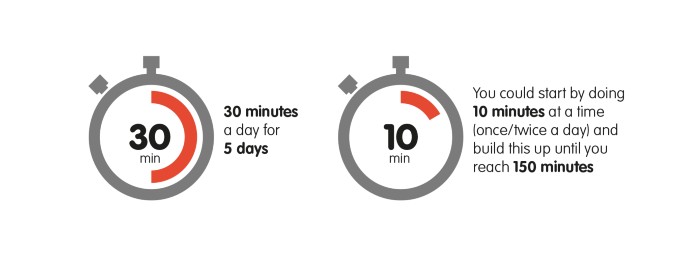
For adults we recommend that you are physically active for 150 minutes (2 hours and 30 minutes) a week. You can break this down into:

stopwatch clocks showing breakdown of exercise time

150 minutes a week may seem too much if you are not used to being active. Just try your best to be as active as possible and slowly build this up at a steady pace.

Content provided by One Liverpool, a partnership of local health and care organisations working together to support a healthier, happier and fairer Liverpool for all.

Published on Tue, 13 Jul 2021 12:20:11 GMT
Modified on Mon, 04 Apr 2022 10:01:36 GMT

Featured image for How does becoming smokefree help my lungs?

How does becoming smokefree help my lungs?

You may think that if you already smoke tobacco cigarettes or other products such as shisha that there is no point in stopping smoking as the damage to your lungs is already done. However, the best thing you can do is stop now and you can still make a difference to your lung health.

You can slow down the damage that smoking causes to your lungs and ease your symptoms.

Illustration with lungs holding a balloon

Useful tips you can try:

  1. Think about why you smoke? Why do you want to give up? Write this down so you can remember why you are giving up
  2. Remove anything that reminds you of smoking such as ashtrays and lighters
  3. Call yourself a non-smoker, soon you will be!
  4. Get the support of friends and family by telling them you’re dedicated to quitting
  5. Keep track of how much money you’re saving and plan how you will spend it
  6. Prepare for possible withdrawal symptoms and how you will cope
  7. Remember cravings only last 2 to 3 minutes so distract yourself and it will be gone before you know it
  8. Don’t let a slip up stop you. Just put it down to experience and start again
  9. Challenge yourself to quit by a certain date and stick to it
  10. Avoid other people smoking. This can be as bad as smoking yourself and will make it harder to quit.

Becoming smokefree is not easy, but there are lots of local services available to offer the right support that will help you to quit smoking, this time for good.

Even if you have not been successful before, it’s important that you saw the need to try.

Remember, each quit attempt is a step further towards becoming smokefree.

What support is right for you?

There are many support options available with different choices working better for different people.

Nicotine Replacement Therapy

Nicotine replacement therapy (also know as ‘NRT’), comes in all shapes and sizes and helps to reduce symptoms so you can give up smoking easily.

You can get patches, gum, nose and mouth sprays, all of which release nicotine into your bloodstream without you needing to smoke.

Other local support options include:

Smoke free liverpool logo and link to website

Smokefree Liverpool

A free, confidential Stop Smoking Service which is available to anyone wanting to quit smoking.

NHS smoke free logo and link to website

Smokefree

Online tools from the NHS including a FREE smokefree quit kit.

Halton council logo and link to website

Halton Stop Smoking Service

A free, confidential Stop Smoking Service.

Smokefree knowsley logo and link to website

Knowsley Stop Smoking Service

Specialist support for Knowsley residents to quit smoking

Content provided by One Liverpool, a partnership of local health and care organisations working together to support a healthier, happier and fairer Liverpool for all.

Published on Tue, 13 Jul 2021 16:18:34 GMT
Modified on Wed, 26 Oct 2022 12:06:15 GMT

Featured image for What signs or symptoms should I look out for?

What signs or symptoms should I look out for?

Recognising the signs of a lung condition early on can be helpful. It means you are more likely to be able to treat it earlier and in more serious cases such as lung cancer, increase chances of survival.

Common symptoms you can look out for:

  • Having a cough most of the time, that lasts for 3 weeks or more
  • A change in a cough that you have had for a long time
  • Weight loss
  • Loss of appetite
  • Wheezing
  • Being more breathless than usual and increasing breathlessness when exercising and moving around
  • Chest tightness
  • An ache or pain in the chest or shoulder
  • Frequent chest infections
  • Coughing up blood
  • Hoarseness

If you are worried about any of the symptoms above, see your GP as soon as possible.

Content provided by One Liverpool, a partnership of local health and care organisations working together to support a healthier, happier and fairer Liverpool for all.

Published on Wed, 14 Jul 2021 15:51:42 GMT
Modified on Wed, 26 Oct 2022 12:08:22 GMT

Content provided by One Liverpool, a partnership of local health and care organisations working together to support a healthier, happier and fairer Liverpool for all.

Published on Tue, 13 Jul 2021 11:48:12 GMT
Modified on Wed, 05 Jul 2023 10:04:08 GMT

Adult Mental Health Information

Featured image for Adult Mental Health Information

Adult Mental Health Information

This flyer will provide an overview of what to do when you're worried about your mental health, as well as what support services you can access.

Find information and support for your mental health – from urgent help to self-help guides that can help you care for your mental wellbeing.

Do you need urgent help?

Get Help

A mental health crisis often means that you no longer feel able to cope or be in control of your situation. It often involves a sudden or continued worsening of your symptoms. You may feel great emotional distress or anxiety, feel you can’t cope with day to day life, think about suicide or self harm, or experience hallucinations and hearing voices.

Alternatively if you are worried about someone else’s mental health and wellbeing we maybe able to offer advice and support to you. You’re not alone, click on the button above.

Are you suffering from anxiety or depression? Talk Liverpool is a free NHS service offering psychological therapies to adults who are feeling depressed, anxious, living with a long term health condition that is affecting their mental health or PTSD. The range of treatment programmes are designed to give the right information and to help develop the skills needed to overcome problems.

If you're worried about yourself or someone else

There are many support services that can help you and your loved ones.

View more

Further support

These organisations provide non-urgent mental health and wellbeing support.

View more

More information

These links will open in a new window

how to contact the Shout service

Get help – how to contact the Shout service

HEAL 85258 is free text messaging service available on all major mobile networks for anyone in crisis. It’s a place to go if you’re struggling to cope and you need immediate help. At the heart of the service is a team of volunteers who take people from crisis to calm every single day.

how to contact the Shout service

Self help guides – you may be able to help yourself

We have several self help guides available to download in different formats with information available on many issues. These include: abuse, alcohol, anxiety, bereavement, controlling anger, depression and low mood, domestic violence, eating disorders, and many more.

View more

Mersey Care

how to contact the Shout service

Meet the team

If you need help, you can always talk to us. Meet some of our urgent mental health support team who can help you at Mersey Care.

View more

Mersey Care

how to contact the Shout service

CAMHS for young people

Liverpool CAMHS, which stands for Children’s Adolescent Mental Health Services, is the main service that assesses and provides support to young people who are experiencing mental health difficulties. CAMHS signposts you to the right place so you can get the help you need.

View more

CAMHS

how to contact the Shout service

Life Rooms

This is a free NHS service providing a safe and welcoming space to meet others, access opportunities and learn about community resources. The Life Rooms offers support for those wanting to take the next steps in their life. Our services are available to anyone. Read all about us here.

View more

Life Rooms

Health and Care Videos

Health and Care Video Library

We provide clinicians, patients, their families and carers with easily understandable information in an easily accessible way.

Health and Care Video Library banner

ORCHA mobile apps

ORCHA is a health app evaluation and advisor organisation. It can help you find mobile apps to assist you in learning more about mental health. Tap on the image below to go the the app directory.

ORCHA mobile apps banner

Featured image for If you're worried about yourself or someone else

If you're worried about yourself or someone else

There are many support services that can help you and your loved ones.

Common mental health problems

There are many different types of mental health problems and symptoms and the following information is a guide to help understand what the problem might be.

If you feel mentally unwell you should seek the advice of your GP. If you feel you need help right now contact your GP or go to your local A&E department. Read more detailed information here.

More support

If you need help or if you are worried about someone else you can find immediate assistance via the following support services:

Samaritans

A national registered charity with local branches, available around the clock to help anyone.

Zero Suicide Alliance

A collaborative who are all committed to suicide prevention in the UK and beyond.

CALM

A registered charity, which exists to prevent male suicide in the UK.

Papyrus

As a national charity, they work towards building a society which speaks openly about suicide and has the resources to help young people who may have suicidal thoughts.

Content provided by Mersey Care NHS Foundation Trust.

Mersey Care is one of the largest trusts providing physical health and mental health services in the North West.

Published on Fri, 18 Jun 2021 09:40:19 GMT
Modified on Fri, 24 Dec 2021 14:49:47 GMT

Featured image for Further support

Further support

These organisations provide non-urgent mental health and wellbeing support.

You can contact the organisations below if you’re looking for non-urgent help. Click or tap on each image to go to the organisation’s website and find out more about what they do and how you can access help.

Talk Liverpool

This is a free NHS service offering psychological therapies to adults who are feeling depressed, anxious, living with a long term health condition that is affecting their mental health or PTSD. 

Live Well Directory

Live Well is a directory of care and support services, activities and information covering Knowsley and Liverpool.

Shout

You can text us any time, day or night.

Every Mind Matters

We have expert advice and practical tips to help you look after your mental health and wellbeing.

Content provided by One Liverpool, a partnership of local health and care organisations working together to support a healthier, happier and fairer Liverpool for all.

Published on Thu, 17 Jun 2021 13:58:18 GMT
Modified on Fri, 24 Dec 2021 14:49:12 GMT

Content provided by One Liverpool, a partnership of local health and care organisations working together to support a healthier, happier and fairer Liverpool for all.

Published on Wed, 16 Jun 2021 16:15:39 GMT
Modified on Wed, 24 May 2023 14:33:50 GMT

What is Diabetes

Featured image for What is Diabetes

What is Diabetes

Diabetes is a lifelong condition that causes a person's blood sugar level to become too high. This flyer will provide you with lots of information about the conditions, symptoms and treatment.

Diabetes is a lifelong condition that causes a person’s blood sugar level to become too high.

There are 2 main types of diabetes:

  • type 1 diabetes – where the body’s immune system attacks and destroys the cells that produce insulin
  • type 2 diabetes – where the body does not produce enough insulin, or the body’s cells do not react to insulin

Type 2 diabetes is far more common than type 1. In the UK, around 90% of all adults with diabetes have type 2.

During pregnancy, some women have such high levels of blood glucose that their body is unable to produce enough insulin to absorb it all. This is known as gestational diabetes.

What is diabetes thumbnail

What is diabetes – video

A short introduction from the Liverpool Diabetes Partnership.

NHS Diabetes Prevention Programme thumbnail

NHS Diabetes Prevention Programme (NHS DPP)

The Healthier You: NHS Diabetes Prevention Programme (NHS DPP) identifies those at high risk and refers them onto a behaviour change programme.

When to see a doctor

Visit your GP as soon as possible if you experience the main symptoms of diabetes, which include:

  • feeling very thirsty
  • peeing more frequently than usual, particularly at night
  • feeling very tired
  • weight loss and loss of muscle bulk
  • itching around the penis or vagina, or frequent episodes of thrush
  • cuts or wounds that heal slowly
  • blurred vision

Type 1 diabetes can develop quickly over weeks or even days.

Many people have type 2 diabetes for years without realising because the early symptoms tend to be general.

Type 1 diabetes

Type 1 diabetes causes the level of glucose (sugar) in your blood to become too high.

View more

Type 2 diabetes

Type 2 diabetes is a common condition that causes the level of glucose (sugar) in the blood to become too high.

View more

Health and care videos

Physical activity video thumbnail

The importance of physical activity when you have diabetes

From the Health and Care Video Library, the UK’s largest collection of health and care videos

Health checks when you have diabetes thunbnail

What health checks do you need when you have diabetes?

From the Health and Care Video Library, the UK’s largest collection of health and care videos

Health and Care Video Library

We provide clinicians, patients, their families and carers with easily understandable information in an easily accessible way.

Health and Care Video Library banner

ORCHA mobile apps

ORCHA is a health app evaluation and advisor organisation. It can help you find mobile apps to learn more information about diabetes. Tap on the image below to go the the app directory.

ORCHA mobile apps banner

Featured image for Type 1 diabetes

Type 1 diabetes

Type 1 diabetes causes the level of glucose (sugar) in your blood to become too high.

Type 1 diabetes causes the level of glucose (sugar) in your blood to become too high. It happens when your body cannot produce enough of a hormone called insulin, which controls blood glucose. You need daily injections of insulin to keep your blood glucose levels under control. Managing type 1 diabetes can take time to get used to, but you can still do all the things you enjoy. 

Type 1 diabetes is not linked with age or being overweight – this is type 2 diabetes.

Symptoms

See your GP if you have symptoms of type 1 diabetes:

  • feeling very thirsty
  • peeing more than usual, particularly at night
  • feeling very tired
  • losing weight without trying
  • thrush that keeps coming back
  • blurred vision
  • cuts and grazes that are not healing

Type 1 diabetes symptoms can come on quickly, particularly in children.

Getting tested for type 1 diabetes

Your GP will do a urine test and might check your blood glucose (sugar) level.

If they think you might have diabetes, they may advise you to go to hospital for an assessment with the diabetes team or they may arrange for the blood tests to be done in the community setting.

This page has been amended by the Diabetes Team from Liverpool University Hospitals NHS Foundation Trust.

Content provided by NHS.uk

Find information and advice on health conditions, symptoms, healthy living, medicines and how to get help.

Published on Mon, 12 Jul 2021 10:49:44 GMT
Modified on Mon, 13 Jun 2022 10:34:34 GMT

Featured image for Type 2 diabetes

Type 2 diabetes

Type 2 diabetes is a common condition that causes the level of glucose (sugar) in the blood to become too high.

Type 2 diabetes is a common condition that causes the level of glucose (sugar) in the blood to become too high.

  • It can cause symptoms like excessive thirst, needing to pee a lot and tiredness. It can also increase your risk of getting serious problems with your eyes, heart and nerves.
  • It’s a lifelong condition that can affect your everyday life. You may need to change your diet, take medicines and have regular check-ups.
  • It’s caused by problems with a chemical in the body (hormone) called insulin. It’s often linked to being overweight or inactive, or having a family history of type 2 diabetes.

Symptoms

Many people have type 2 diabetes without realising. This is because symptoms do not necessarily make you feel unwell.

Symptoms of type 2 diabetes include:

  • peeing more than usual, particularly at night
  • feeling thirsty all the time
  • feeling very tired
  • losing weight without trying to
  • itching around your penis or vagina, or repeatedly getting thrush
  • cuts or wounds taking longer to heal
  • blurred vision

You’re more at risk of developing type 2 diabetes if you:

  • are over 40 (or 25 for south Asian people)
  • have a close relative with diabetes (such as a parent, brother or sister)
  • are overweight or obese
  • are of Asian, African-Caribbean or black African origin (even if you were born in the UK)

Diagnosis

Type 2 diabetes is often diagnosed following blood or urine tests for something else.

However, you should see a GP straight away if you have any symptoms of diabetes.

To find out if you have type 2 diabetes, you usually have to go through the following steps:

  1. See a GP about your symptoms.
  2. The GP will check your urine and arrange a blood test to check your blood sugar levels. It usually takes about 1 to 2 days for the results to come back.
  3. If you have diabetes, the GP will explain the test results and what will happen next.

If you’re diagnosed with diabetes

What the GP will discuss with you during your appointment depends on the diagnosis and the treatment they recommend.

Generally, they’ll talk to you about:

  • what diabetes is
  • what high blood sugar means for your health
  • whether you need to take medicine
  • your diet and exercise
  • your lifestyle – for example, alcohol and smoking

The GP will do their best to discuss the diagnosis with you, but this first appointment might only be 10 to 15 minutes.

If you have questions about your diagnosis

It’s usually difficult to take in everything the GP tells you during the appointment.

Talk to family and friends about what the GP told you, and write down any questions you have.

Then make another GP appointment and take your list of questions with you.

There’s also a lot of information on diabetes available.

What happens after the diagnosis

Usually, the following things happen after your diagnosis:

Liverpool Diabetes Partnership thumbnail

Liverpool Diabetes Partnership

The Liverpool Diabetes Partnership [LDP] is a service dedicated to providing quality diabetes care within the community, right on your doorstep.

Diabetes and You thumbnail

Diabetes & You

FREE education sessions – are currently running at health centres across the city.

This page has been amended by the Diabetes Team from Liverpool University Hospitals NHS Foundation Trust.

Content provided by NHS.uk

Find information and advice on health conditions, symptoms, healthy living, medicines and how to get help.

Published on Mon, 12 Jul 2021 11:01:36 GMT
Modified on Wed, 20 Jul 2022 16:37:39 GMT

Content provided by One Liverpool, a partnership of local health and care organisations working together to support a healthier, happier and fairer Liverpool for all.

Published on Mon, 17 May 2021 11:34:50 GMT
Modified on Fri, 23 Sep 2022 10:47:05 GMT

COVID-19 / Long COVID Support Services

Featured image for COVID-19 / Long COVID Support Services

COVID-19 / Long COVID Support Services

This flyer will provide you information about long COVID and recovery.

Your COVID recovery thumbnail

Your COVID Recovery

As you find yourself recovering from COVID-19 you may still be coming to terms with the impact the virus has had on both your body and mind. These changes should get better over time, some may take longer than others, but there are things you can do to help. Your COVID Recovery helps you to understand what has happened and what you might expect as part of your recovery.

View more

Pulmonary Rehab Programme thumbnail

Pulmonary Rehab – The Breathe Programme

The Breathe programme can support you with: advice on your breathlessness management, advice on pacing & activity levels, advice regarding symptom management and provide you with an action plan, provide support by offering you a referral onto other useful services.

View more

Talk Liverpoool thumbnail

Talk Liverpool (self-referral)

We are a free NHS service offering psychological therapies to adults in Liverpool who are feeling depressed or anxious. Our range of treatment programmes are designed to give you the right information and to help you develop the skills you need to overcome your problems.

View more

Life Rooms thumbnail

Life Rooms

We are a free NHS service who provide a safe and welcoming space to meet others, access opportunities and learn about community resources. The Life Rooms offers support for those wanting to take the next steps in their life. Our services are available to anyone.

View more

Citizens Advice Liverpool thumbnail

Citizens Advice Liverpool

We can all face problems that seem complicated or intimidating. At Citizens Advice we believe no one should have to face these problems without good quality, independent advice. That’s why we’re here: to give people the knowledge and the confidence they need to find their way forward – whoever they are, and whatever their problem.

View more

The Live Well Directory thumbnail

The Live Well Directory

Live Well is a directory of care and support services, activities and information covering Knowsley, Liverpool, and Wirral.

View more


Social Support thumbnail

Social Support

Are you self-isolating or clinically extremely vulnerable? Find out how to access a range of support.

View more

Children and Young People thumbnail

Children and Young People – Liverpool’s Early Help Directory

Support for children and families can be found in Liverpool Children’s and families Early Help Directory.

View more

Boloh – The Black, Asian and Minority Ethnic family Covid-19 Helpline

You can speak to us about your worries, problems and stresses during this time, and we can provide emotional support, practical advice and signposting to other organisations who can provide further help.

View more

Health and Care Videos

Health advice at your fingertips – click on videos below.

Health and Care Video Library

We provide clinicians, patients, their families and carers with easily understandable information in an easily accessible way.

Health and Care Video Library banner

ORCHA mobile apps

ORCHA is a health app evaluation and advisor organisation. It can help you find mobile apps to assist you in measuring your respiratory health, and to learn more information about COVID-19. Tap on the image below to go the the app directory. 

ORCHA mobile apps banner

Content provided by One Liverpool, a partnership of local health and care organisations working together to support a healthier, happier and fairer Liverpool for all.

Published on Tue, 02 Feb 2021 15:45:06 GMT
Modified on Thu, 22 Jun 2023 14:07:11 GMT

COPD Information

Featured image for COPD Information

COPD Information

Chronic obstructive pulmonary disease (COPD) is the name for a group of lung conditions that cause breathing difficulties. In this flyer you'll find helpful videos, links to organisations that specialise in helping people living with COPD, details on different types of medicines and inhalers, and suggested apps. This flyer was created by the COPD Lead for the Liverpool CCG.

About COPD

Here you'll learn about what exactly COPD (chronic obstructive pulmonary disease) is, its symptoms, diagnosis and what you can do to help your condition.

View more

Local Services

Find a cluster of local Merseyside support links and services, useful videos and other sources of digital help, including NHS COPD pack developed for Liverpool residents and the Breathe Programme.

View more

Medicines

Medication can help you control and manage your symptoms. Medication can’t replace being active and eating healthily but the right combination of all three will help you feel healthier.

View more

Help and Support

In this section you'll find helpful information for you and anyone who cares for you about local COPD services and support for your physical and mental wellbeing.

View more

Health and Care Video Library

We provide clinicians, patients, their families and carers with easily understandable information in an easily accessible way.

Health and Care Video Library banner

ORCHA mobile apps

ORCHA is a health app evaluation and advisor organisation. It can help you find mobile apps to assist you in measuring your respiratory health, and to learn more information about COPD. Tap on the image below to go the the app directory.

ORCHA mobile apps banner

Featured image for About COPD

About COPD

Here you'll learn about what exactly COPD (chronic obstructive pulmonary disease) is, its symptoms, diagnosis and what you can do to help your condition.

Information

Tap on each image for more information about COPD and the services available to help you.

NHS COPD Pack

A pack on how get the most out of life with COPD and has been developed for Liverpool residents and includes details of local services.

The Breathe Programme

The Breathe Programme is a 10 week rehabilitation programme for people in Liverpool who have long term lung conditions such as COPD.

NHS Conditions – COPD

Information on COPD from the NHS website: symptoms, causes, diagnosis, treatment and Living with COPD.

British Lung Foundation Programme

Information British Lung Foundation: videos and stories from people living with COPD, guidance on managing flare-ups and details for The British Lung Foundation Helpline.

Videos

Tap on the videos below to learn more about COPD. You will find more videos in the Health and Care Video Library.

What is COPD Thumbnail

What is COPD

From the Health and Care Video Library, the UK’s largest collection of health and care videos

Symptoms of COPD Thumbnail

Symptoms of COPD

From the Health and Care Video Library, the UK’s largest collection of health and care videos

How is COPD diagnosed? Thumbnail

How is COPD diagnosed?

From the Health and Care Video Library, the UK’s largest collection of health and care videos

What you can do to help your COPD Thumbnail

What you can do to help your COPD

From the Health and Care Video Library, the UK’s largest collection of health and care videos

Content provided by One Liverpool, a partnership of local health and care organisations working together to support a healthier, happier and fairer Liverpool for all.

Published on Fri, 11 Dec 2020 12:33:23 GMT
Modified on Mon, 26 Sep 2022 12:48:12 GMT

Featured image for Local Services

Local Services

Find a cluster of local Merseyside support links and services, useful videos and other sources of digital help, including NHS COPD pack developed for Liverpool residents and the Breathe Programme.

The Breathe Programme thumbnail

The Breathe Programme

The Breathe Programme is run by a team who specialise in care for people with COPD. It is one of the best ways to keep you well for longer.

Breathe Programme thumbnail

Breathe Programme Support Services

Support services from the breath programme Liverpool

The Life Rooms thumbnail

The Life Rooms

The Life Rooms provides a wide range of free, short courses to increase recognition, understanding and self management on symptoms such as anxiety, depression, psychosis, self esteem and many more.

Telehealth thumbnail

Telehealth

Health Technology (or Telehealth) is a way of using technology to monitor your own health, with the support of health professionals.

Talk Liverpool thumbnail

Talk Liverpool

It is common for your psychological wellbeing to be impacted by COPD, many people find additional support to keep on top of their wellbeing helps them keep well for longer.

Smokefree Liverpool thumbnail

Smokefree Liverpool

Commissioned by Liverpool City Council to provide a free programme of behavioural support combined with up to 12 weeks’ worth of products to help you quit smoking.

Local Videos

Find more videos at The Breathe Programme

Coping with Chronic Respiratory Diease video Thumbnail

Coping with Chronic Respiratory Disease

This short video will provide you with a brief over view of chronic respiratory conditions, tips and advice on how to manage your condition.

Environmental Health video Thumbnail

Environmental Health

This video explores how the weather and the environment may affect your health, in particular to chronic respiratory disease.

Breathlessness Management video Thumbnail

Breathlessness Management

This breathlessness management video, focuses on breathlessness management strategies.

Exercise video thumbnail

Exercise

This video focuses on the various different aspects of what you need to consider when participating in an exercise routine. There are lots of helpful tips and advice throughout.

Content provided by One Liverpool, a partnership of local health and care organisations working together to support a healthier, happier and fairer Liverpool for all.

Published on Fri, 11 Dec 2020 12:37:35 GMT
Modified on Fri, 21 Oct 2022 11:21:54 GMT

Featured image for Medicines

Medicines

Medication can help you control and manage your symptoms. Medication can’t replace being active and eating healthily but the right combination of all three will help you feel healthier.

Inhalers

View more inhalers and medicines at RightBreathe.

Eklira thumbnail

Eklira 322micrograms

60 doses. The active ingredients in his inhaler are Aclidinium bromide, 375micrograms per dose. This is a dry powder inhaler with a dose counter, produced by AstraZeneca UK Ltd.

View more

Duaklir thumbnail

Duaklir 340micrograms/ dose + 12micrograms/ dose

60 doses. The active ingredients in his inhaler are Aclidinium bromide, 396microgramsper dose + Formoterol 11.8micrograms per dose. This is a dry powder inhaler with a dose counter, produced by AstraZeneca UK Ltd.

View more

Fostair thumbnail

Fostair 100micrograms/ dose + 6micrograms/ dose

120 doses. The active ingredients in his inhaler are Beclometasone, 100micrograms per dose and Formoterol 6micrograms per dose. This is a pressurised aerosol inhaler with a dose counter, produced by Chiesi Ltd.

View more

Clenil Modulite thumbnail

Clenil Modulite 100micrograms/ dose

200 doses. The active ingredients in his inhaler are Beclometasone, 100micrograms per dose. This is a pressurised aerosol inhaler with a dose counter, produced by Chiesi Ltd.

View more

Information

RightBreathe thumbnail

RightBreathe

Get the most out of your inhaled medication by checking how to use it correctly.

View more

NHS COPD pack thumbnail

NHS COPD Pack

This will download a PDF file. A pack on how get the most out of life with COPD and has been developed for Liverpool residents and includes details of local services.

View more

Videos

These videos will explore some of the different types of medications that you may use to manage your respiratory symptoms and other useful tips. You will find more videos in the Health and Care Video Library.

Treatment Medications Thumbnail

Treatment (Medications)

Thumbnail for Treatment (Medications) video

Treatments for COPD

From the Health and Care Video Library, the UK’s largest collection of health and care videos

Content provided by One Liverpool, a partnership of local health and care organisations working together to support a healthier, happier and fairer Liverpool for all.

Published on Fri, 11 Dec 2020 12:34:10 GMT
Modified on Fri, 21 Oct 2022 12:13:54 GMT

Featured image for Help and Support

Help and Support

In this section you'll find helpful information for you and anyone who cares for you about local COPD services and support for your physical and mental wellbeing.

Information

Citizens Advice Bureau thumbnail

Citizens Advice Bureau Referrals

Advice services available through Citizen Advice Bureau digital and telephone channels.

View more

Liverpool City Council Healthy Homes thumbnail

Liverpool City Council Healthy Homes

Provides free help and advice to local people who are struggling to pay their energy bills and heat their homes.

View more

Talk Liverpool thumbnail

Talk Liverpool

It is common for your psychological wellbeing to be impacted by COPD. Many people find additional support to keep on top of their wellbeing helps them keep well for longer.

View more

Breathe Easy Support Groups thumbnail

Breathe Easy support groups

There are three local Breathe Easy support groups run by people with lung conditions, located in North Liverpool, South Liverpool and South Sefton. Tap on the link to learn more.

View more

British Lung Foundation thumbnail

British Lung Foundation Programme

If you have any questions about your condition, The British Lung Foundation have a helpline open 9am – 5pm Monday to Friday on 03000 030 555.

View more

NHS COPD thumbnail

NHS COPD Pack

This will download a PDF file. A pack on how get the most out of life with COPD and has been developed for Liverpool residents and includes details of local services.

View more

Videos

Take a look at the videos below about self-care and helping your COPD. You will find more videos in the Health and Care Video Library.

Why is self-care important Thumbnail

Self-help tips for fatigue and breathlessness

From the Health and Care Video Library, the UK’s largest collection of health and care videos

What you can do to help your COPD Thumbnail

What you can do to help your COPD

From the Health and Care Video Library, the UK’s largest collection of health and care videos

Content provided by One Liverpool, a partnership of local health and care organisations working together to support a healthier, happier and fairer Liverpool for all.

Published on Fri, 11 Dec 2020 12:36:31 GMT
Modified on Fri, 21 Oct 2022 12:07:06 GMT

Content provided by One Liverpool, a partnership of local health and care organisations working together to support a healthier, happier and fairer Liverpool for all.

Published on Fri, 11 Dec 2020 12:27:41 GMT
Modified on Thu, 24 Oct 2024 10:19:46 GMT