


To understand weight, we should understand calories
The amount of energy in an item of food or drink is measured in calories. When we eat and drink more calories than we use up, our bodies store the excess as body fat. If this continues, over time we may put on weight.
As a guide, an average man needs around 2,500kcal (10,500kJ) a day to maintain a healthy body weight. For an average woman, that figure is around 2,000kcal (8,400kJ) a day. These values can vary depending on age, size and levels of physical activity, among other factors.
Check if you’re a healthy weight by using the NHS body mass index (BMI) calculator
Our bodies need energy to keep us alive and our organs functioning normally. When we eat and drink, we put energy into our bodies. Our bodies use up that energy through everyday movement, which includes everything from breathing to running.
To maintain a stable weight, the energy we put into our bodies must be the same as the energy we use through normal bodily functions and physical activity.
An important part of a healthy diet is balancing the energy you put into your bodies with the energy you use. For example, the more physical activity we do, the more energy we use. If you consume too much energy on 1 day, do not worry. Just try to take in less energy on the following days.
Checking calories in food
Knowing the calorie content of food and drink can help ensure you’re not consuming too much.
The calorie content of many shop-bought foods is stated on the packaging as part of the nutrition label. This information will appear under the “Energy” heading. The calorie content is often given in kcals, which is short for kilocalories, and also in kJ, which is short for kilojoules. A kilocalorie is another word for what’s commonly called a calorie, so 1,000 calories will be written as 1,000kcals.
Kilojoules are the metric measurement of calories. To find the energy content in kilojoules, multiply the calorie figure by 4.2. The label will usually tell you how many calories are contained in 100 grams or 100 millilitres of the food or drink, so you can compare the calorie content of different products.
Many labels will also state the number of calories in 1 portion of the food. But remember that the manufacturer’s idea of 1 portion may not be the same as yours, so there could be more calories in the portion you serve yourself. You can use the calorie information to assess how a particular food fits into your daily calorie intake.
There’s a wide range of online calorie counters for computers and mobile phones. Many of these can be downloaded and used for free. The NHS cannot verify their data, but they can be helpful to track your calories by recording all of the food you eat in a day. Some restaurants put calorie information on their menus, so you can also check the calorie content of foods when eating out.
Calories should be given per portion or per meal.
Burning calories
The amount of calories people use by doing a certain physical activity varies, depending on a range of factors, including size and age. The more vigorously you do an activity, the more calories you’ll use. For example, fast walking will burn more calories than walking at a moderate pace.
If you’re gaining weight, it could mean you have been regularly eating and drinking more calories than you have been using.
To lose weight, you need to use more energy than you consume, and continue this over a period of time. Get used to counting calories and use the NHS calorie counter
The best approach is to combine diet changes with increased physical activity. Find out how much physical activity you should be doing
If you need help losing weight, why not try the free NHS 12-week weight loss plan?
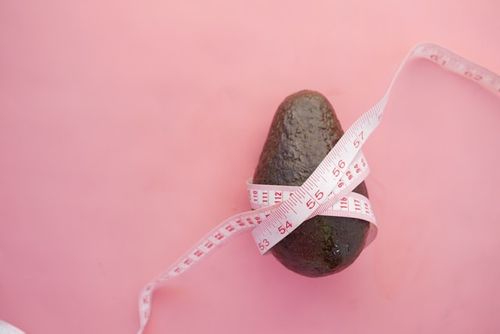
How your GP can help you lose weight
If you've tried and failed to lose weight, a visit to your GP surgery could help.
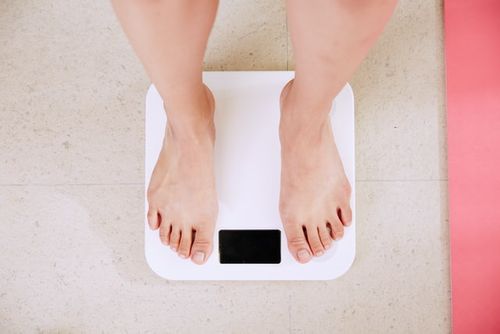
Keep weight off
The key to reaching your ideal weight and keeping the weight off is to make long-term changes to your diet and lifestyle that you can stick to.
Your GP or practice nurse can:
- Assess your general health
- Help identify the cause of your weight gain
- Work out if there are any health issues causing you to put on weight
- Discuss a plan to help you lose weight that suits you
Assessing your weight
First, your GP or practice nurse will want to assess whether your current weight is healthy or not. This means measuring your weight and height to calculate your body mass index (BMI).
You may also have your waist measured. Measuring your waist is a good way to check you’re not carrying too much fat around your stomach, which can raise your risk of heart disease, type 2 diabetes and stroke. You can have a healthy BMI and still have excess tummy fat – meaning you’re still at risk of developing these diseases.
Your GP may take your blood pressure and carry out other tests, such as a blood test, to check for any health conditions that may be related to your weight.
If you’re overweight, changes to your diet and physical activity levels are the first step to helping you lose weight. Your GP or practice nurse can help you assess your current diet and levels of physical activity, and set personal goals for change.
Your diet
You may be asked to keep a food diary – a written record of everything you eat – for 1 week. This can help you and your GP identify habits, such as adding sugar to your tea, that you can change.
Exercise
Your physical activity levels can be measured with an activity diary. Your GP may also suggest that you wear a pedometer for a week. A pedometer measures the number of steps you take and gives an indication of your daily activity levels.
Set personal goals
Once your GP or practice nurse has a clearer picture of your diet and level of physical activity, they can help you identify simple lifestyle changes. Together, you will work out a game plan to lose weight healthily and for the long term. It’ll be a plan tailored to your lifestyle and your preferences.
Your GP surgery should offer you regular follow-up appointments, usually every 2 weeks to a month, to monitor your progress.
Other weight loss services
Your GP surgery may refer you to other services, such as local weight loss groups. These could be provided by the NHS, or may be commercial services that you pay for. If it’s appropriate, you may be referred for exercise classes under the supervision of a qualified trainer.
Depending on where you live, the exercise programme may be free or offered at a reduced cost.
Weight loss medicines
If you’ve made changes to your diet and levels of physical activity but you’re not losing a significant amount of weight, your GP may recommend medicines that can help.
Medicines are only used if your BMI is at least 30, or 28 if you have other risk factors such as high blood pressure or type 2 diabetes.
The only medicine prescribed for weight loss is Orlistat. For more information on weight loss medication, see Obesity: treatment.
Content provided by NHS.uk
Find information and advice on health conditions, symptoms, healthy living, medicines and how to get help.

Published on Fri, 04 Mar 2022 14:43:06 GMT
Modified on Fri, 01 Dec 2023 11:23:37 GMT
If you’ve achieved your target weight, well done! But don’t undo all the good work by going back to old habits.
Tips to help keep the weight off
Stick to lower-calorie eating
To lose weight, you might have become used to eating less food. If you start increasing your calories, the weight might return.
Plan ahead
Maintain your healthier eating habits regardless of changes in your routine, such as eating out, weekends or holidays. By planning ahead, you’re less likely to slip up.
Stay active
If exercise helped you lose weight, stick with it and make it part of the new you. If you’re just starting out, try walking more and build up your activity regime gradually.
Watch your weight
Weigh yourself regularly, like once a week, so you can keep a close eye on any changes to your weight.
Get support
Connect with other people on their weight loss journey on the popular Weight Loss Support forum on the HealthUnlocked online community.
Keep it interesting
Variety is the spice of life, so if you feel yourself slipping back into your old ways, mix things up a bit. Buy a new healthy cookbook or sign up for a fitness challenge like a 5k fun run.
Set yourself goals
These can help motivate you into keeping up your healthy diet and exercise regime. For example, is there a special occasion coming up that you want to feel your best for?
What should I eat now?
As a guide, the average man needs about 2,500 calories and the average woman needs 2,000 calories a day to maintain their weight. Use the BMI healthy weight calculator. You’ll be given a personal daily calorie allowance if you need to lose more weight.
Stick to your changes
If you want to maintain your new, healthier weight, you need to stick to the changes you’ve already made. If you return to your old habits, chances are your weight will creep back up again. Try to make the changes part of your lifestyle.
More weight to lose?
Start the NHS 12-week weight loss plan. This diet and exercise guide is designed to help you lose 1lb to 2lb (0.5kg to 1kg) a week.
Content provided by NHS.uk
Find information and advice on health conditions, symptoms, healthy living, medicines and how to get help.
Published on Fri, 04 Mar 2022 14:43:43 GMT
Modified on Fri, 01 Dec 2023 11:23:53 GMT
Content provided by NHS.uk
Find information and advice on health conditions, symptoms, healthy living, medicines and how to get help.
Published on Fri, 04 Mar 2022 14:41:39 GMT
Modified on Mon, 11 Dec 2023 13:07:02 GMT