

We help people do something extraordinary – donate blood, organs, tissues or stem cells to save someone in need
Phone: 0300 123 23 23
Contact us
Every day thousands of people’s lives are saved or improved thanks to the generosity of donors like you. But, sadly, there are still lots of patients we can’t treat because we don’t have enough supplies. There’s an urgent need for donations. Please help, if you can.
Blood Donation
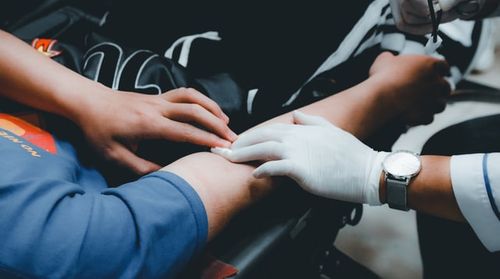
Most people can give blood if they are fit and healthy, but there are some rules for donors. Find out more about who is elligible and the process of donating blood.

Organ Donation
Organ donation is the act of giving an organ to save or improve the life of someone who needs a transplant.
Tissue Donation
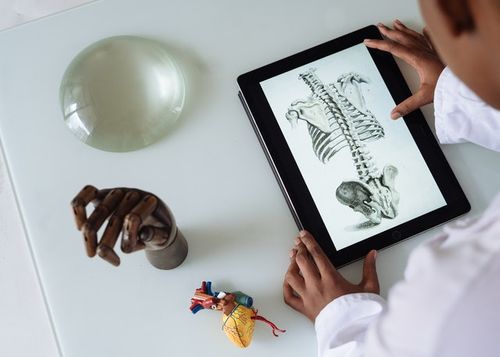
When you register to donate your organs, you can also choose to donate your tissues, including your corneas and bone.
Platelet Donation
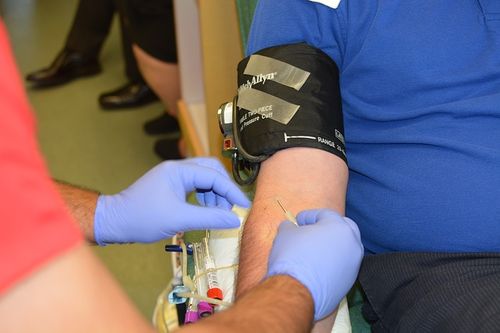
Platelets help to stop bleeding and can be a lifeline for people with cancer. Donating platelets takes just 2 hours of your time but can make a huge difference to someone's life


Giving blood is simple and it saves lives. When you give blood, it is collected so it can be used to treat someone else.
For most people, giving blood is easy and follows the simple steps listed below. See our animation which takes you through what happens step by step.
We need more O negative and O positive donors.
Who can give blood?
Most people can give blood. You can give blood if you:
- are fit and healthy
- weigh between 7 stone 12 lbs and 25 stone, or 50kg and 158kg
- are aged between 17 and 66 (or 70 if you have given blood before)
- are over 70 and have given a full blood donation in the last two years
Men can give blood every 12 weeks and women can give blood every 16 weeks.
The need for Black donors
The increased demand for some rare subtypes, such as Ro, that are more common in people of Black heritage means we need more black people to become blood donors.
Before you give blood
- Check you are able to give blood.
- Register your interest in being a donor, or call 0300 123 23 23.
- Sign up for an online account and find an appointment – a number of appointments can be booked in advance. If you are unable to book now, then please try for a later date. A limited number of walk-in slots are available.
- Follow the preparing to give blood recommendations.
- If you are unable to keep your donation appointment please try and give us at least 3 days’ notice. You can easily cancel or reschedule your appointment when you sign in to your online account.
Got a question about booking to give blood? Check the answers to these frequently asked questions.
When you give blood
This is what will happen when you give blood. The whole process takes about an hour.
1. Welcome and preparation
Remember to bring your completed donation safety check form with you, if you received one from us in the post. We will ask you to read our donor consent booklet (PDF 517KB) which explains the importance of blood safety. It’s important to read this whenever you attend because advice does change. We will give you 500ml of fluid just before you give blood. Drinking this over about 5 minutes will help with your well-being during and after donation.
2. Health screening
We make sure it is safe for you to donate, and that your blood donation is safe for a patient to receive.
- We confirm your identity and ask you about the information on your donor health check form; a registered nurse may follow up if necessary.
- We test a drop of blood from your finger to check the iron levels (haemoglobin) in your blood.
If you are not able to donate we will explain why, and may ask you to make another appointment.
If you are able to donate you will be asked to sit in a waiting area until you are called to a donation chair.
3. Your blood donation
When you are comfortable on the chair we will ask you to confirm your name, address and date of birth.
We examine your arm and place a cuff on your arm to maintain a small amount of pressure during donation (this does not measure blood pressure).
We then examine your arm to find a suitable vein and clean it with an antiseptic sponge.
- We will insert a needle in your arm which will collect your blood into a blood bag with your unique donor number.
- You should not feel any discomfort or pain. If you do, tell a member of staff.
- A scale weighs the blood and stops when you have donated 470ml (or just under a pint). This usually takes between 5-10 minutes.
- The needle will be removed and a sterile dressing applied to your arm.
More about what happens on the day when you give blood.
More about what happens after you give blood.
Content provided by NHS Blood and Transplant
We help people do something extraordinary – donate blood, organs, tissues or stem cells to save someone in need
Published on Tue, 07 Dec 2021 16:38:46 GMT
Modified on Wed, 06 Apr 2022 11:56:38 GMT
Organ donation is the act of giving an organ to save or improve the life of someone who needs a transplant.
You are able to donate some organs while you are alive, for example; a kidney, or part of your liver. However, most organ and tissue donations will come from people who have died.
Anyone can register a decision to donate their organs and tissue when they die, regardless of their age or medical conditions. To ensure that all donated organs are safe, the donor’s medical and lifestyle history is assessed at the time of donation.
Faith, beliefs and culture play a big part in how people feel about organ donation, and if you choose to be a donor, these will always be respected. Read more about organ donation and your faith
Registering your decision
Organ donation in England has changed to an opt out system. This means that all adults agree to become organ donors when they die, unless they have made it known that they do not wish to donate. You still have a choice whether or not you want to become an organ donor.
Registering your organ donation decision is important, whatever it may be, and takes just two minutes if you register online. To help you decide, get the facts.
Whatever your organ donation decision, the best thing you can do is talk with your loved ones to give them the certainty they need to support it.
What can you donate?
Everyone has a choice as to whether or not they want to become an organ donor after they die, and if you choose to donate, you can choose to donate either some or all of your organs.
By registering to become an organ donor you have the option to donate organs such as your heart, lungs, liver, kidneys, pancreas and small bowel. All of these forms of donation can greatly enhance or even save the life of someone in need.
To find out more, please click one of the links below.
Heart
Heart donation is a gift of life to those for whom standard treatments are no longer working.
Read More
Lungs
Donating your lungs after your death can mean that one or both of your lungs is transplanted to save someone’s life.
Read More
Liver
Donating your liver when you die could provide the much-needed matching organ for someone hoping for a second chance.
Read More
Kidneys
Your kidney donation could transform the life of someone dependent on daily dialysis.
Read More
Pancreas
Becoming a pancreas donor could mean providing a life-line to people who are living with advanced diabetes.
Read More
Who can donate?
The decision about whether some or all organs or tissue are suitable for transplant is always made by medical specialists at the time of donation, taking into account your medical, travel and social history.
Age limit
Is there an age limit for becoming an organ donor?
There is no age limit for becoming an organ donor.
The decision about whether some or all organs or tissue are suitable for transplant is always made by medical specialists at the time of donation, taking into account your medical, travel and social history.
Can children join the NHS Organ Donor Register?
Parents and guardians can register their children, and children can register themselves.
Children who are under 12 in Scotland and under 18 in the rest of the UK at the time of registration will require their parent or guardian’s agreement for donation to take place.
Medical conditions
Can you become an organ donor if you have a medical condition?
Having an illness or medical condition doesn’t necessarily prevent a person from becoming an organ or tissue donor. The decision about whether some or all organs or tissue are suitable for transplant is made by medical specialists at the time of donation, taking into account your medical, travel and social history.
There are very few conditions where organ donation is ruled out completely.
A person cannot become an organ donor if they have or are suspected of having:
*In rare cases, the organs of donors with HIV have been used to help others with the same conditions. If you live with HIV and wish to be a donor, please register to donate, the medical team will establish whether or not your organs are suitable for donation.
Screening
Blood is taken from all potential donors and tested to rule out transmissible diseases and viruses such as HIV and hepatitis. The family of the potential donor is made aware that this procedure is required.
Can you become an organ donor if you have had cancer?
Someone with current active cancer cannot become an organ donor. However, it may be possible for people with certain types of cancers to donate after three years of treatment. It may also be possible to donate corneas and some tissue in these circumstances.
Lifestyle choices
Can you become an organ donor if you smoke?
It is still possible to become an organ donor if you smoke. Specialist healthcare professionals decide in each individual case whether a person’s organs and tissue are suitable for donation, and smokers and people with other health conditions have saved – and continue to save – lives through organ donation.
Can you become an organ donor if you have a tattoo?
Having a tattoo does not prevent you from becoming an organ donor.
Can you become an organ donor if you drink alcohol?
Drinking alcohol does not prevent you from becoming an organ donor. Although a heavy alcohol intake might affect your ability to donate some organs, specialist healthcare professionals will decide which organs and tissue are suitable for donation on an individual basis.
Ethnicity
Does race, or ethnicity matter in organ donation?
We need donors from all communities and ethnicities.
Blood and tissue types need to match for a transplant to be successful, and organs from donors of the same ethnic background as the recipient are more likely to be a close match.
Non-blood donors
Can you become an organ donor if you are unable to donate blood?
If you don’t or can’t give blood you can still be a potential organ donor.
There may be specific reasons why it has not been possible to donate blood such as having had a blood transfusion (or blood products) since 1 January 1980. Or there may be reasons why you could not give blood because of your health at the time. Sometimes a simple thing like a cold or medication that you are taking can prevent you from donating blood.
The decision about whether some or all organs or tissue are suitable for transplant is always made by a medical specialist at the time of donation, taking into account your medical history.
Content provided by NHS Blood and Transplant
We help people do something extraordinary – donate blood, organs, tissues or stem cells to save someone in need
Published on Tue, 07 Dec 2021 16:43:18 GMT
Modified on Thu, 07 Apr 2022 09:25:26 GMT
Donated tissue, such as skin, bones and eyes, can save or dramatically improve the lives of many people suffering from illness or injury. Thanks to the generosity of our donors and their families, we collect tissue from thousands of living and deceased donors every year. Annually, this provides around 8,500 life-changing implants for 2,600 patients.
Every year, hundreds of lives are saved with the help of donated organs such as hearts and kidneys, but you may not realise that donated tissue such as skin, bone and heart valves can also save and dramatically improve the quality of life for many.
Consent
We will only use tissue from a donor with their consent or with their family’s consent after they die.
If you want to make a real difference by being a tissue donor after your death, there are two important steps you need to take:
- Join the NHS Organ Donor Register
- Tell your family and friends that you have joined the register and want to be a donor so they can support your decision
Donation after death
Unlike organ donation, you don’t need to die in a hospital intensive care unit or emergency department to donate tissue after death. Almost anyone can be considered for tissue donation, and donation needs to take place within 24 – 48 hours of death. To ensure that all donated tissues are safe, the donor’s medical and lifestyle history is assessed at the time of donation.
What tissues can you donate?
Heart Valves
Heart valves can be transplanted to save the lives of children born with heart defects and adults with damaged heart valves.
Skin
Donated skin can be used as a natural dressing to help treat people with serious burns by stopping infections and to reduce scarring and reduce pain.
Bone
Donated bone can be used in bone grafts which can make an enormous difference, restoring health and mobility to many patients.
Tendons
Tendons attach bones and muscles to each other and donated tendons can be used to help rebuild damaged joints.
Cornea
The cornea is used to help restore sight to people with cornea problems caused by eye disease, injury, or birth defects. Disease or injury can make the cornea cloudy or distorted, causing vision loss.
Registering to be a tissue donor is quick and easy. To be a donor after your death, you simply need to join the Organ Donor Register and tell your closest family and friends about your wishes
Living Donation
It is also possible to donate bone or amniotic membrane (part of the placenta) in certain hospitals while you are alive, during hip surgery or an elective caesarean.
Placenta donation
Placenta donation means giving away the amniotic membrane (and you can donate the cord blood from your umbilical cord too) after an elective caesarean section. Donation doesn’t interfere with the safe delivery of your baby and is entirely voluntary.
Living bone donation
If you need to have a hip replacement operation, it is possible for you to donate the bone which will be removed during the surgery.
Our dedicated and specialist regional tissue donation teams currently work with 23 hospitals to offer this.
Why donate bone?
Donated bone can be used in bone grafts which can make an enormous difference, restoring health and mobility to many patients.
Can I donate live bone in every hospital?
Unfortunately donation is currently not possible for every hospital. We work in partnership with specific hospitals within England where trained staff are able to discuss the donation options with you.
Does donating my bone affect my hip relacement surgery?
No, since the bone must be removed anyway agreeing to donate it will not in any way affect your operation.
How do I donate my bone?
Prior to your surgery you will be asked if you wish to donate your bone. If you are willing, a nurse will discuss donation with you and answer any questions you may have, and you will be asked to sign a consent form. Unfortunately, not everyone can donate.
What happens when I donate?
If the donation goes ahead, a sample of your blood will be taken on the day prior to your surgery.
During your hip surgery, the hip bone will be removed and transfered to our specialised tissue facility.
Following a successful donation, your blood sample will be tested for blood-borne diseases in the same way as during blood donation.
If your donation is to be used for clinical transplantation, we may need you to have a second blood sample taken approximately six months after your surgery. For medical or other reasons it sometimes may not be possible to accept your donation.
Will the bone I donate be used for a transplant straightaway?
Should you decide to donate, your bone will be stored within a tissue bank until it is used for clinical or research purposes.
For further information on our Bone Donation Programme, please contact tissuedonation@nhsbt.nhs.uk
Content provided by NHS Blood and Transplant
We help people do something extraordinary – donate blood, organs, tissues or stem cells to save someone in need
Published on Tue, 07 Dec 2021 17:01:01 GMT
Modified on Thu, 07 Apr 2022 09:26:35 GMT
What are platelets?
Platelets are tiny gold-coloured cells in your blood which help it clot and stop bleeding.
Platelet transfusions can help people with cancer and people who’ve lost a lot of blood after an accident, organ transplant or surgery.
Platelets last just 7 days after they’ve been donated so we rely on people to donate regularly throughout the year.
One donation can help up to 3 adults or 12 children.
Who can donate?
You may be able to donate platelets if you have the right blood type, a high enough platelet count, and have given blood before.
We’d like to hear from you if you:
- have A negative, A positive or AB negative blood
- have given blood or platelets before
- are aged between 17 and 70 (if you are over 70 and have donated blood or platelets within the last two years, you are still eligible)
- have enough blood to donate safely
- are able to regularly spare up to 2 hours to donate at least 4 times a year
- can travel to a donor centre
Who can’t donate?
There are some reasons why you can’t donate platelets, even if you have given blood or platelets in the past.
Reasons you can never donate include:
- having a blood transfusion
- having most types of cancer
- you are HIV positive
- you are HTLV positive
- you are a hepatitis B or C carrier
- you have had or are being treated for syphilis
- you have ever injected, or been injected with, non-prescribed drugs. This includes body-building drugs and injectable tanning agents
There are some health, travel and lifestyle reasons that may stop you giving platelets on a temporary basis.
These include:
- pregnancy
- taking certain non-steroidal medications on a regular basis such as ibuprofen
- travel to and from certain countries outside the UK on a regular basis
- a 3-month wait after having anal sex with a new partner, or multiple partners
- recent tattoos and piercings
You need to be, or have been, a blood donor before switching to platelet donation
Once you make the switch to platelet donation you cannot continue to give blood. If you want to return to giving blood at any point, you will need to stop donating platelets first.
Given blood in the last two years
You can give platelets if you meet the criteria.
Given blood more than two years ago
You will need to start giving blood again before switching to platelets.
Call 0300 123 23 23 to book an appointment.
Never given blood before
Start giving blood before switching to platelets.
Find out about giving blood.
Donated platelets in the past
You can give platelets again if you meet the criteria.
Call us on 0300 123 23 23 to find out more.
Become a platelet donor
If you meet these criteria and would like to join us the next step is to arrange an assessment when you next give blood.
Content provided by NHS Blood and Transplant
We help people do something extraordinary – donate blood, organs, tissues or stem cells to save someone in need
Published on Tue, 07 Dec 2021 16:49:06 GMT
Modified on Fri, 01 Apr 2022 09:34:19 GMT
Content provided by NHS Blood and Transplant
We help people do something extraordinary – donate blood, organs, tissues or stem cells to save someone in need
Published on Tue, 07 Dec 2021 16:37:23 GMT
Modified on Mon, 18 Jul 2022 12:22:18 GMT